South Korea

Skyscrapers, palaces and some of the world's best food

Capital
Seoul
Language
Korean
Currency
South Korean won (KRW)
Time zone
GMT+9
Population
about 51 million

Why South Korea?

South Korea packs a lot into a small space. Seoul's glass towers and lightning-fast internet sit alongside royal palaces and mountain temples, and the country has become a global leader in technology, music and film while holding tightly to its traditions. It's energetic, social and endlessly interesting, with something happening in every neighborhood at all hours.

Teachers hold a special place in Korean society. The word for teacher, songsaengnim, is also used as a polite way to address anyone you deeply respect. Add great public transport, mountains close to every city and a cuisine built around sharing, and it's easy to see why so many people fall in love with the place.

Programs in South Korea

2 programsCompare these with other programs

  • Teach

    Teach English in South Korea

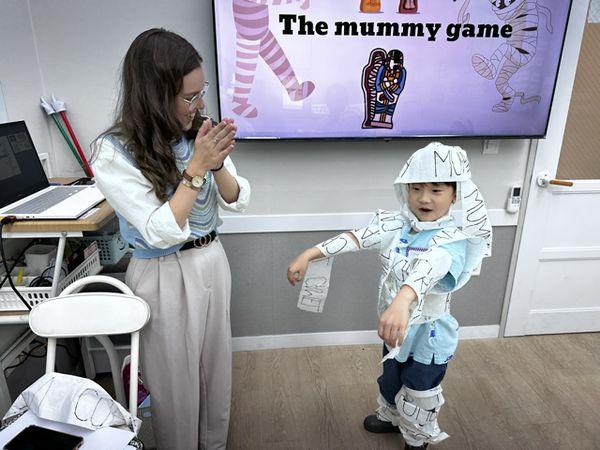
    Maybe it was K-pop, a K-drama or the food that got you curious. Turn it into a year of teaching, with free furnished housing, a 13th paycheck and a team on call 24/7.

    Duration
    1 year
    From
    $1,994
    Salary
    $1,600-1,900/mo
    Next start
    24 May 2027
  • Short-term · Camp

    Adventure Camp South Korea

    A short, supported way to find out what living and teaching abroad is really like. Help run English camps for students in South Korea, with a group beside you from day one.

    Duration
    4 weeks
    From
    $2,519
    Apply by
    30 Nov 2026
    Next start
    25 Jan 2027

The lay of the land

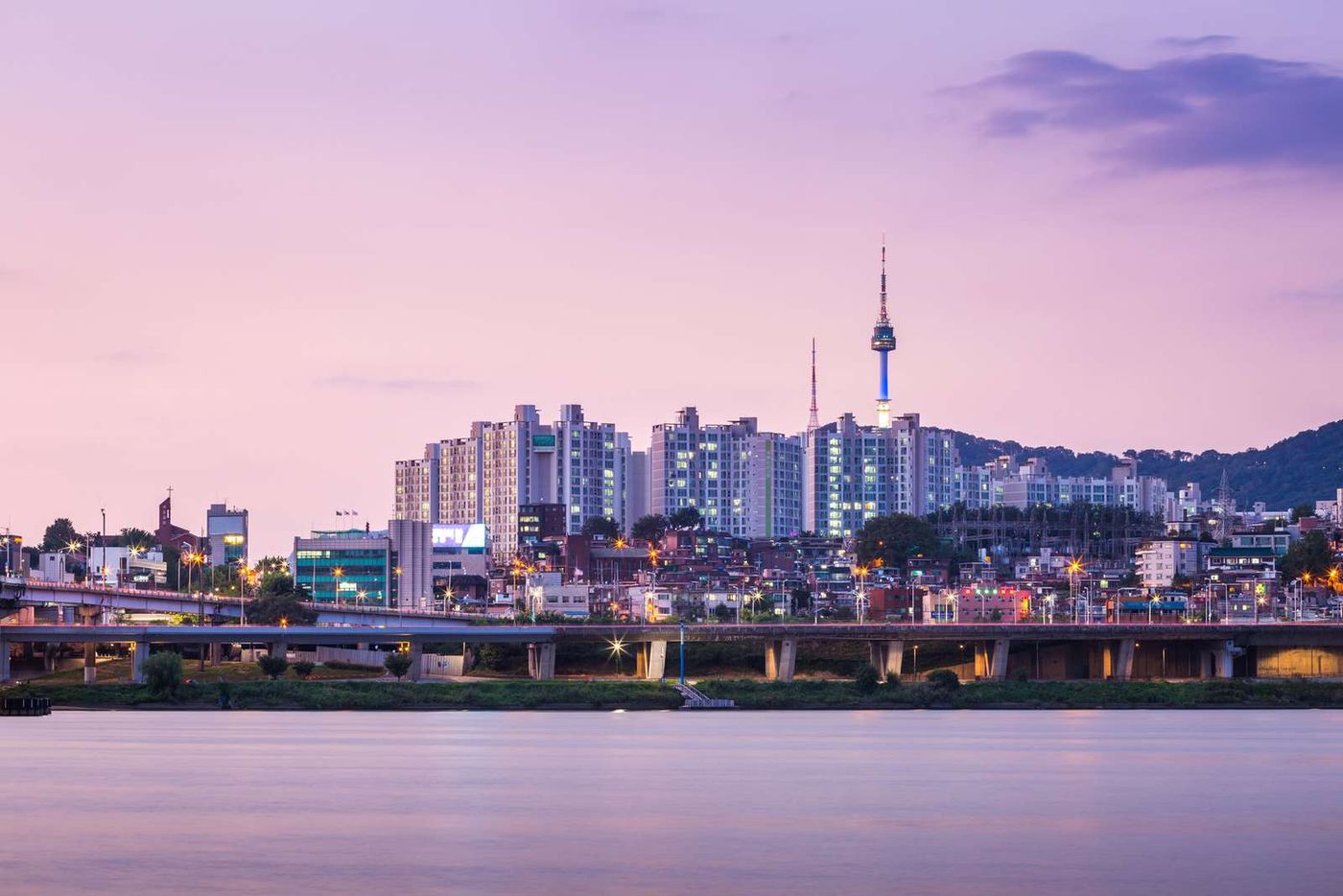
South Korea sits on a peninsula with mountains, rivers and a long coastline. Seoul, the capital, lies on the banks of the Han River, which flows toward the Yellow Sea. Summers are warm and humid, winters are cold and dry, and the short spring and autumn are the loveliest times to be outdoors.

Language

Korean is spoken by about 80 million people worldwide, and the Seoul accent is the standard. Regional dialects differ but are easy for speakers to follow. The alphabet, Hangul, is famously logical, and your orientation includes six hours of Korean lessons to get you started.

Where our teachers live in South Korea

  • Seoul and Gyeonggi-doThe biggest cluster of teachers is here, with a huge city, great transit and plenty of neighborhoods to explore.
  • Gyeongsangnam-doA southeastern province that includes Daegu and Ulsan, with a mix of big cities and coastal scenery.
  • Chungcheongnam-doA central province that includes Daejeon and Sejong, handy for getting to the rest of the country.
  • Jeollanam-doA southwestern province that includes Gwangju, known for a slower pace and a strong food culture.
  • Gangwon-doA mountainous eastern province, a good match if you love hiking and fresh air.
Where you’ll train: Incheon (Yeongjong Island)Your training base is on Yeongjong Island, right on the airport express line and about 40 minutes from downtown Seoul. It has food shops, green spaces and plenty of outdoor activities close to where you'll stay.

Everyday life in South Korea

Fast, connected and modernInternet is among the fastest in the world and almost everyone has a mobile phone, so staying in touch is easy.
Pop culture everywhereKorean films and K-pop are huge at home, and orientation even includes a K-pop dance class.
Cafe and shopping cultureUrban Korea loves window shopping, coffee shops and chain restaurants, so there's always somewhere to meet up.
Neighbors close byJapan is a 2 to 3 hour flight away and Thailand is 5 to 6 hours, which makes big weekends and holidays possible.

A little history

Korean history goes back thousands of years. In the first centuries AD, three kingdoms (Goguryeo, Baekje and Silla) shared the peninsula, and Silla eventually united most of it in 668. The Goryeo dynasty followed, which gave the country its English name, and then the Joseon dynasty took over in 1392 and ruled for more than 500 years, shaping the Confucian values still visible in daily life.

In the 1440s King Sejong's scholars created Hangul, the Korean alphabet, which is still celebrated every October. Japan annexed Korea in 1910 and ruled until 1945. The peninsula was then divided, and the Korean War followed from 1950 to 1953. Since then, South Korea has gone from one of the poorest countries in the world to a high-income democracy in just a few decades.

Weather and seasons

South Korea has four clear seasons. Spring and autumn are short, mild and beautiful. Summers are hot and humid, with a rainy monsoon stretch in late June and July, while winters are cold and dry, with temperatures often dropping below freezing in Seoul and further north.

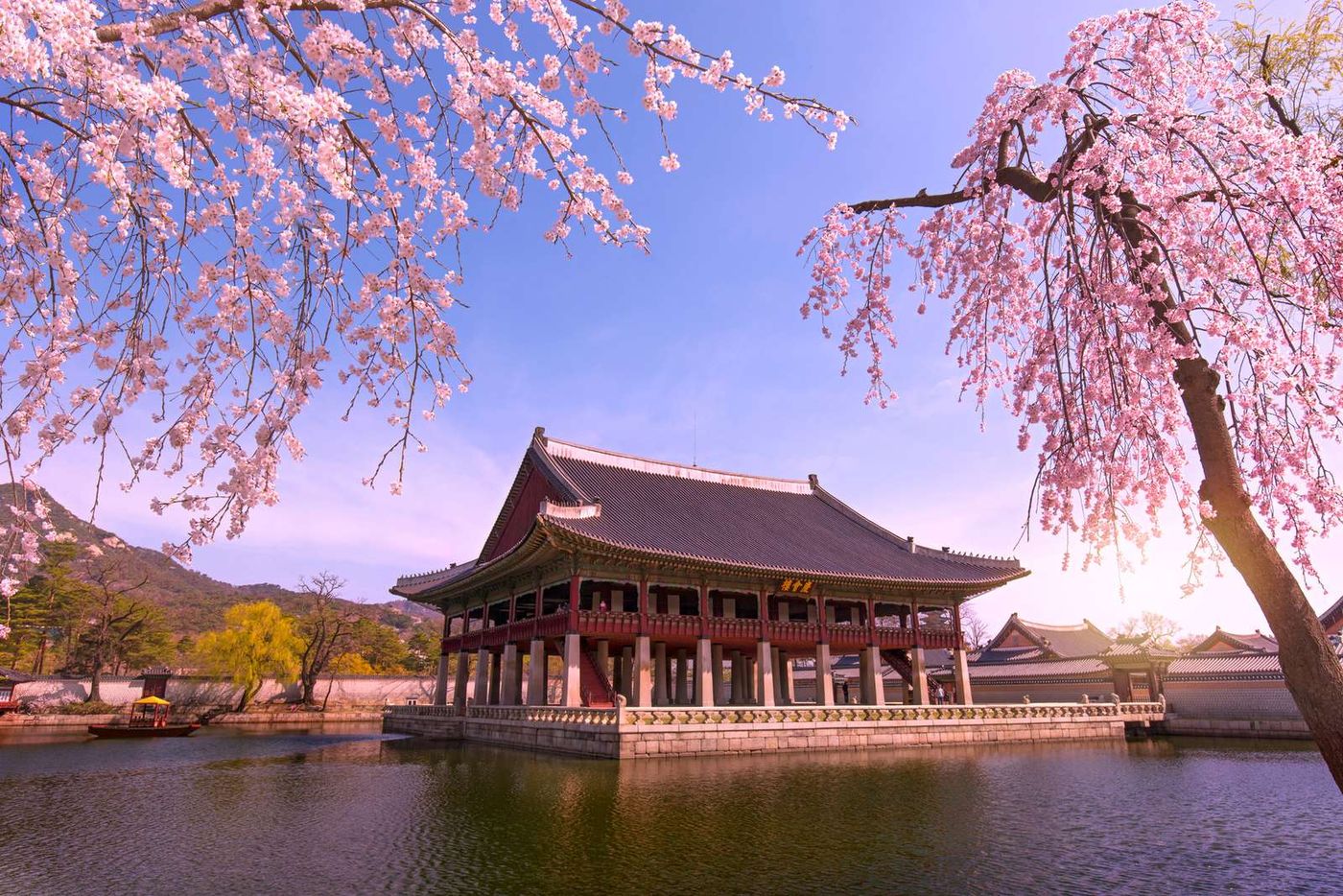
  • SpringMar-MayCherry blossoms bloom in April and the weather turns mild, though spring dust can drift in.
  • SummerJun-AugHot and humid, with heavy monsoon rain from late June into July.
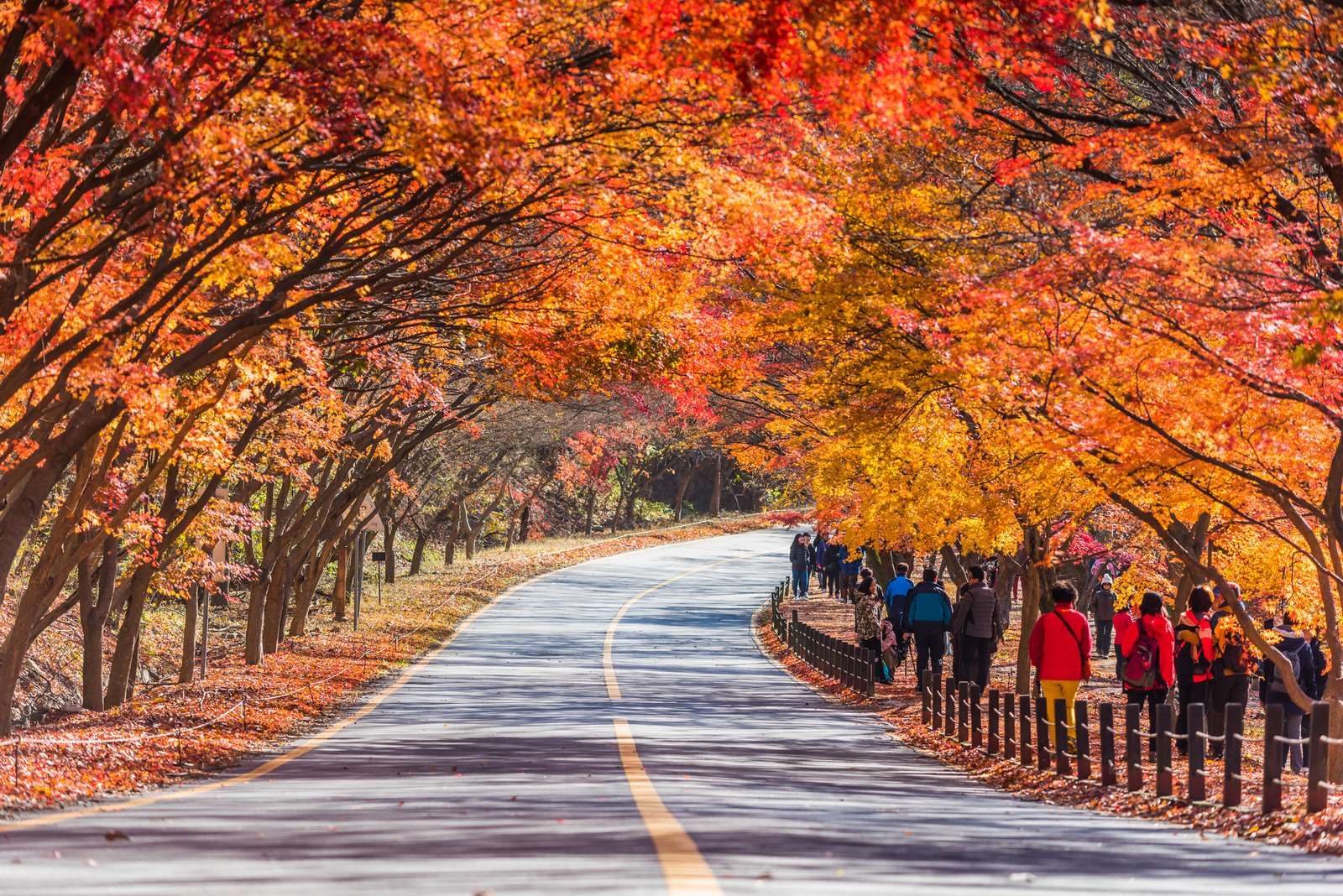
  • AutumnSep-NovClear skies and fiery maple leaves make this the favorite season for many hikers.
  • WinterDec-FebCold and dry, with snow in the mountains and heated ondol floors keeping homes toasty.

Things to do on your weekends

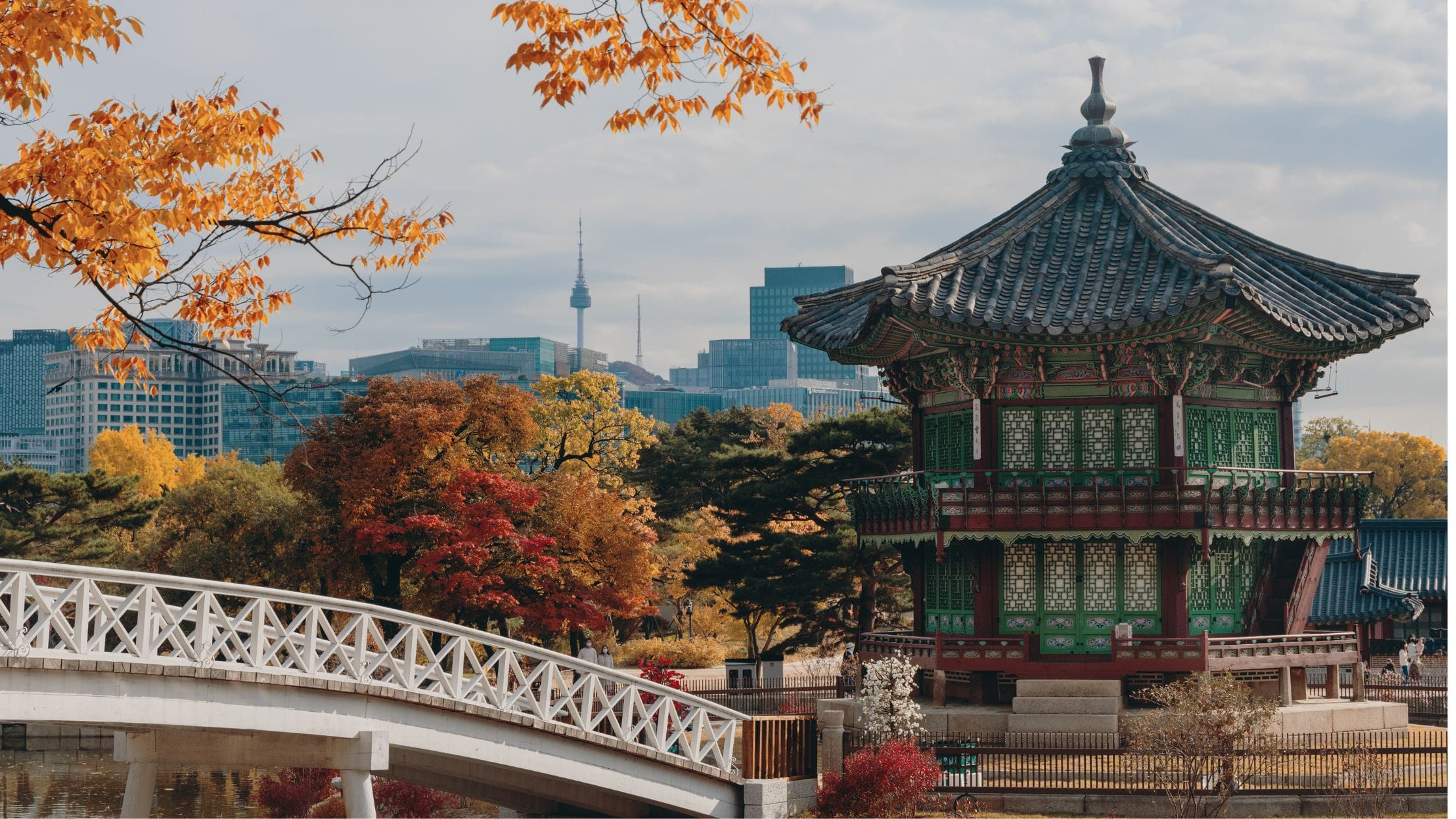
  1. Tour GyeongbokgungVisit the largest of Seoul's five grand palaces and catch the royal guard ceremony at the main gate.
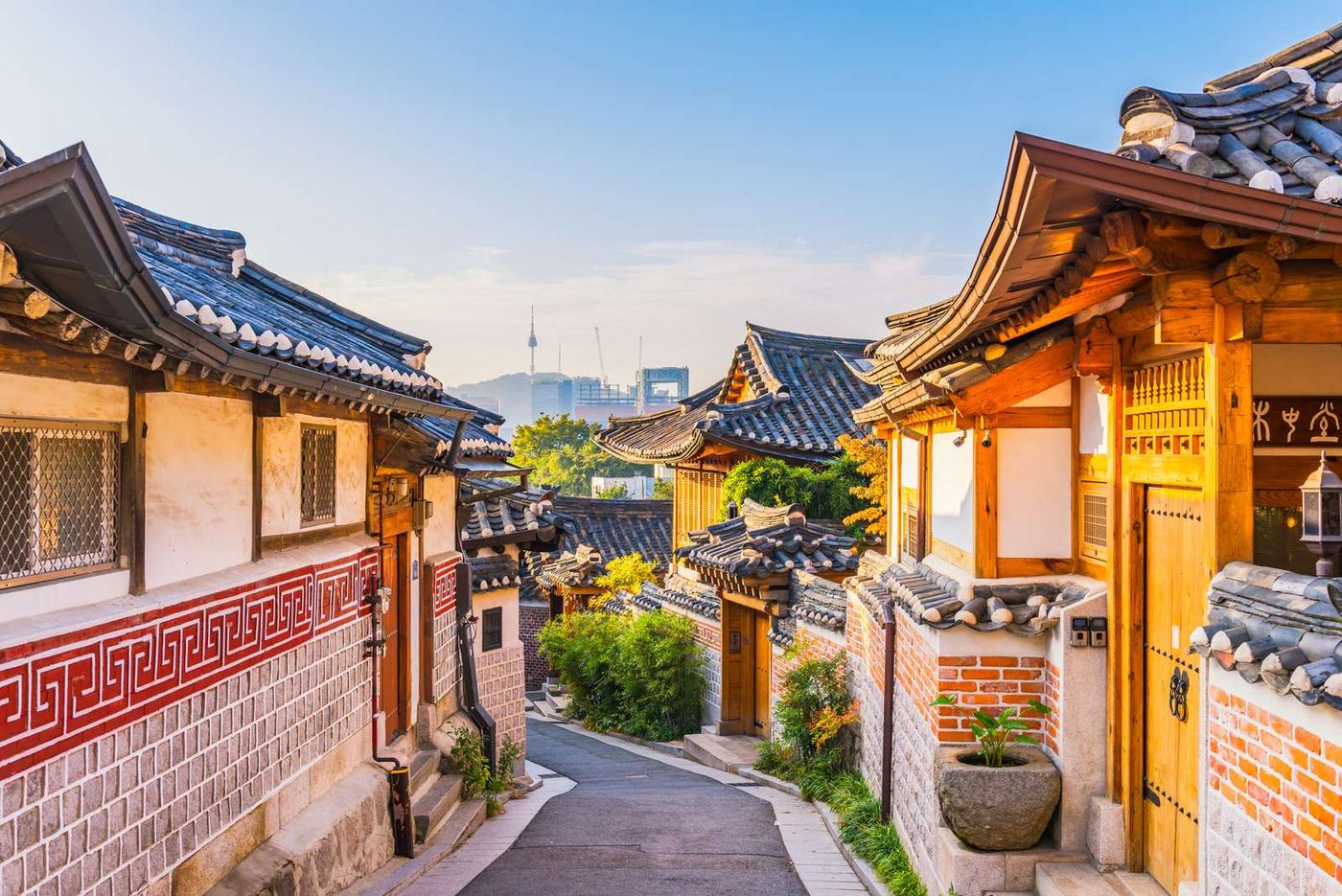
  2. Wander InsadongBrowse teahouses, craft shops and galleries along the winding lanes of one of Seoul's oldest districts.
  3. Climb NamsanWalk up to N Seoul Tower for sweeping views over the city, especially at sunset.
  4. Try taekwondoTake a class in Korea's national martial art and learn a little of the culture behind it.
  5. Explore Jeju IslandHike volcanic landscapes, walk coastal trails and chase waterfalls on this island, a short flight from the mainland.
  6. Stay in a templeTry a templestay for quiet mornings, meditation and a simple vegetarian meal in the mountains.

What to eat

KimchiSpicy fermented cabbage that shows up at nearly every meal.
BibimbapA bowl of rice topped with vegetables, egg and chili paste, mixed together before eating.
Korean BBQGrill pork or beef at the table and wrap it in lettuce with garlic and sauce.
TteokbokkiChewy rice cakes in a sweet and spicy sauce, a favorite street snack.

Good to know

  • Use two hands, or support your right forearm with your left hand, when giving or receiving something with an elder.
  • Wait for the oldest person at the table to start eating before you pick up your spoon.
  • Use titles when you can and bow slightly when you greet people or say goodbye.
  • Take your shoes off at the door of homes and many restaurants, and skip tipping, as it isn't part of Korean culture.

Your one-week cultural orientation covers the basics of language and etiquette when you arrive.

Picture yourself in South Korea?

Start your application