Cambodia

Ancient temples, warm smiles and a story of resilience

Capital
Phnom Penh
Language
Khmer
Currency
Cambodian riel (KHR), with US dollars widely used
Time zone
GMT+7
Population
about 17 million

Why Cambodia?

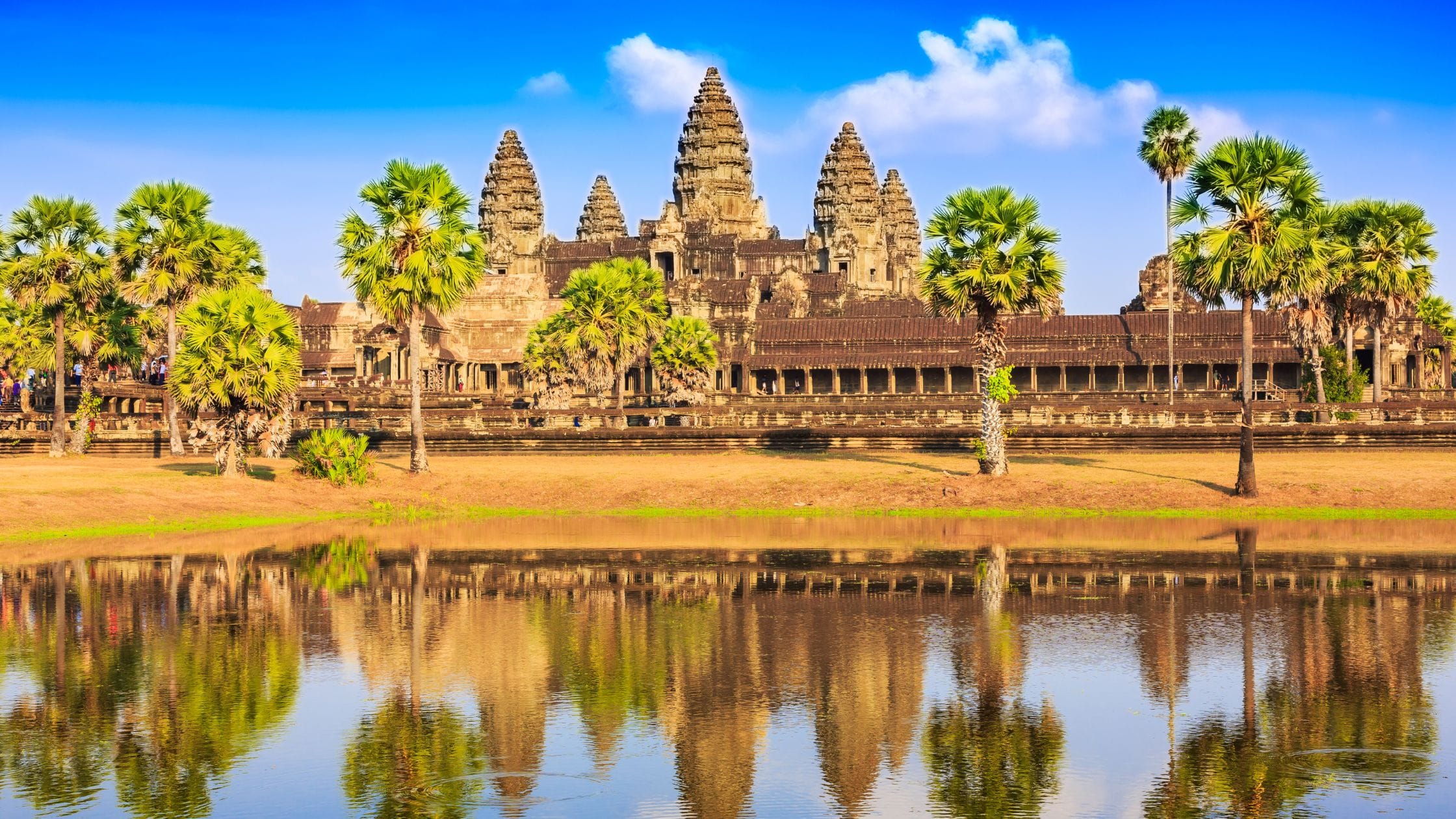
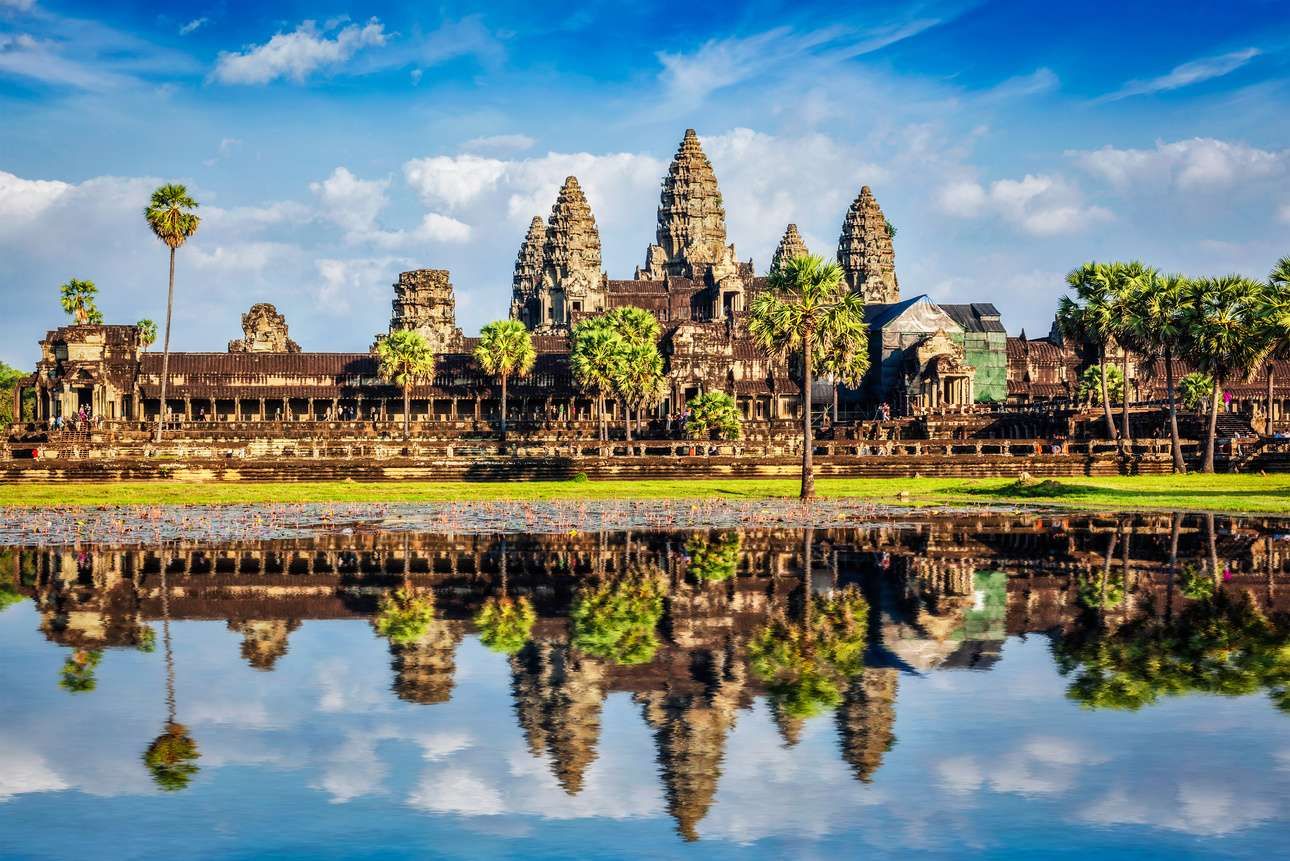
Cambodia is a country that gets under your skin in the best way. It's home to Angkor Wat, one of the largest religious monuments in the world, along with sleepy riverside towns, tropical islands and a lively capital in Phnom Penh. Life moves at an easy pace, and people are famously friendly, curious and keen to chat.

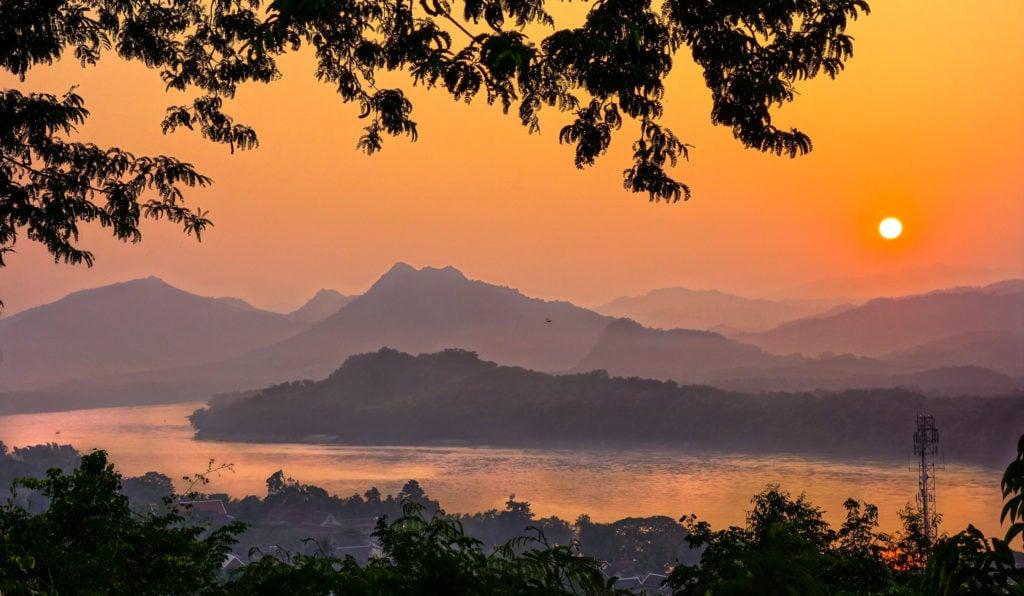
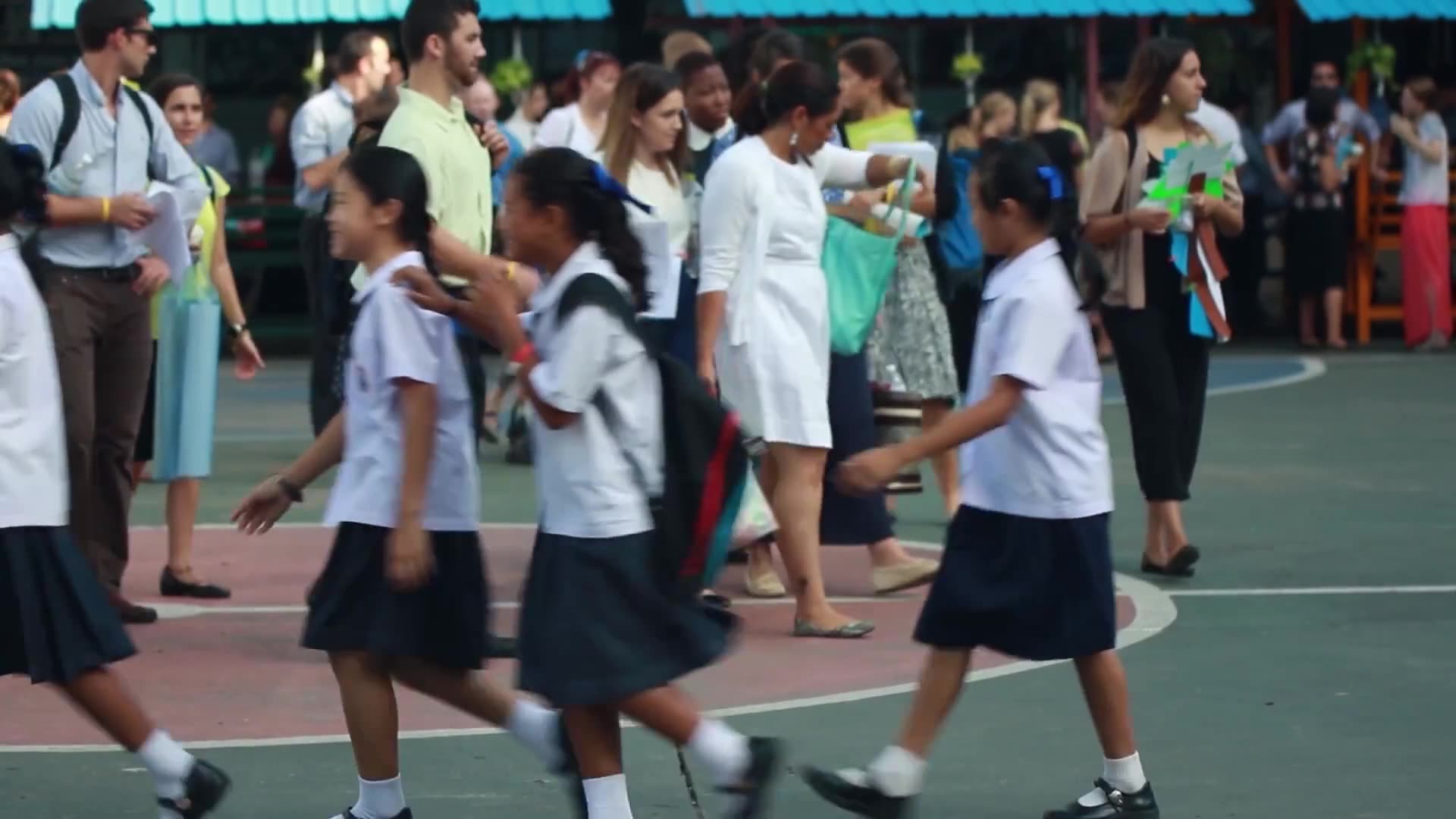
It's also a young, hopeful country, with a large share of the population under 30 and a real appetite for learning English. Travel is easy and affordable, whether you're exploring temples, cycling past rice fields or watching the sun set over the Mekong.

Programs in Cambodia

1 programCompare these with other programs

  • Teach

    Teach English in Cambodia

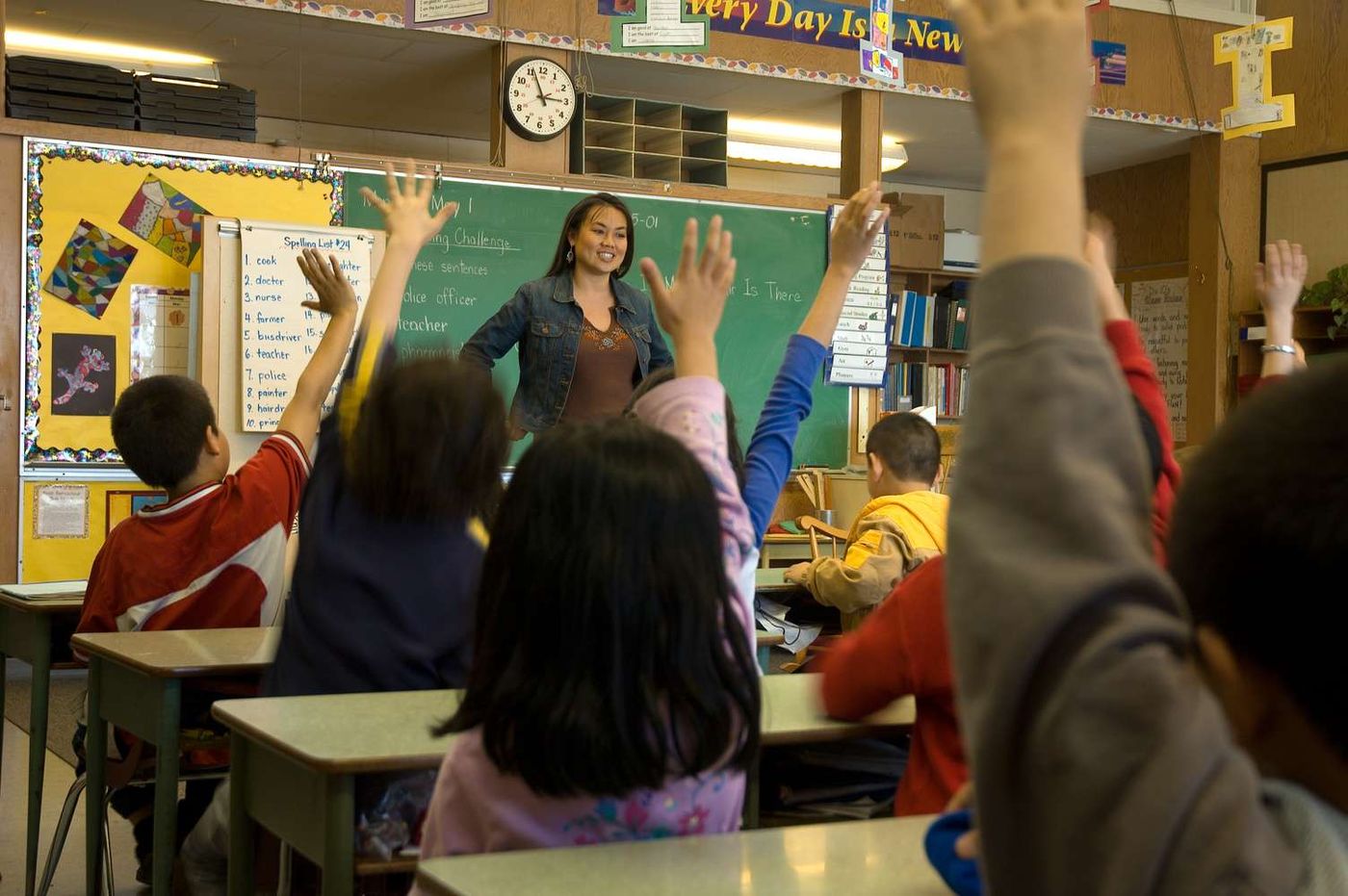
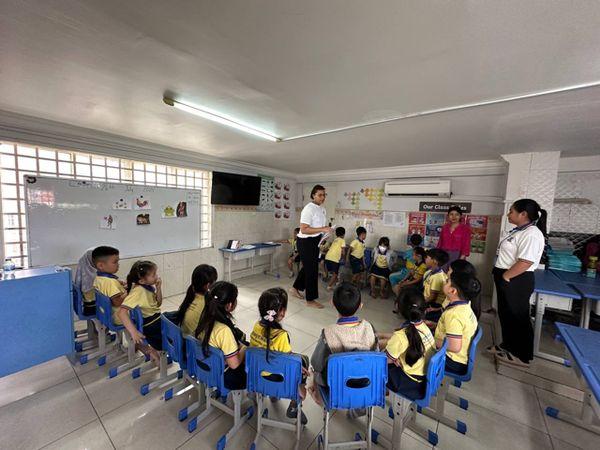
    Welcoming classrooms, a laid-back pace and a low cost of living. No degree needed, and degree holders earn more.

    Duration
    1 year
    From
    $1,994
    Salary
    $800-1,600/mo
    Next start
    26 Apr 2027

The lay of the land

Cambodia sits in Southeast Asia, bordering Thailand, Laos and Vietnam. It has a wet season from May to October and a hot dry season from November to April. Highlights include the temples of Angkor, the great Tonle Sap lake, rivers, national parks like Virachey and the coast around Koh Kong.

Language

Khmer is the official language and is spoken by most people in Cambodia, written in its own beautiful script. Minority languages are also spoken in some remote areas. Your orientation covers the basics for markets, taxis and meals, so you can start chatting with locals.

Where our teachers live in Cambodia

Most placements are in urban areas, with some in large and medium-sized towns.

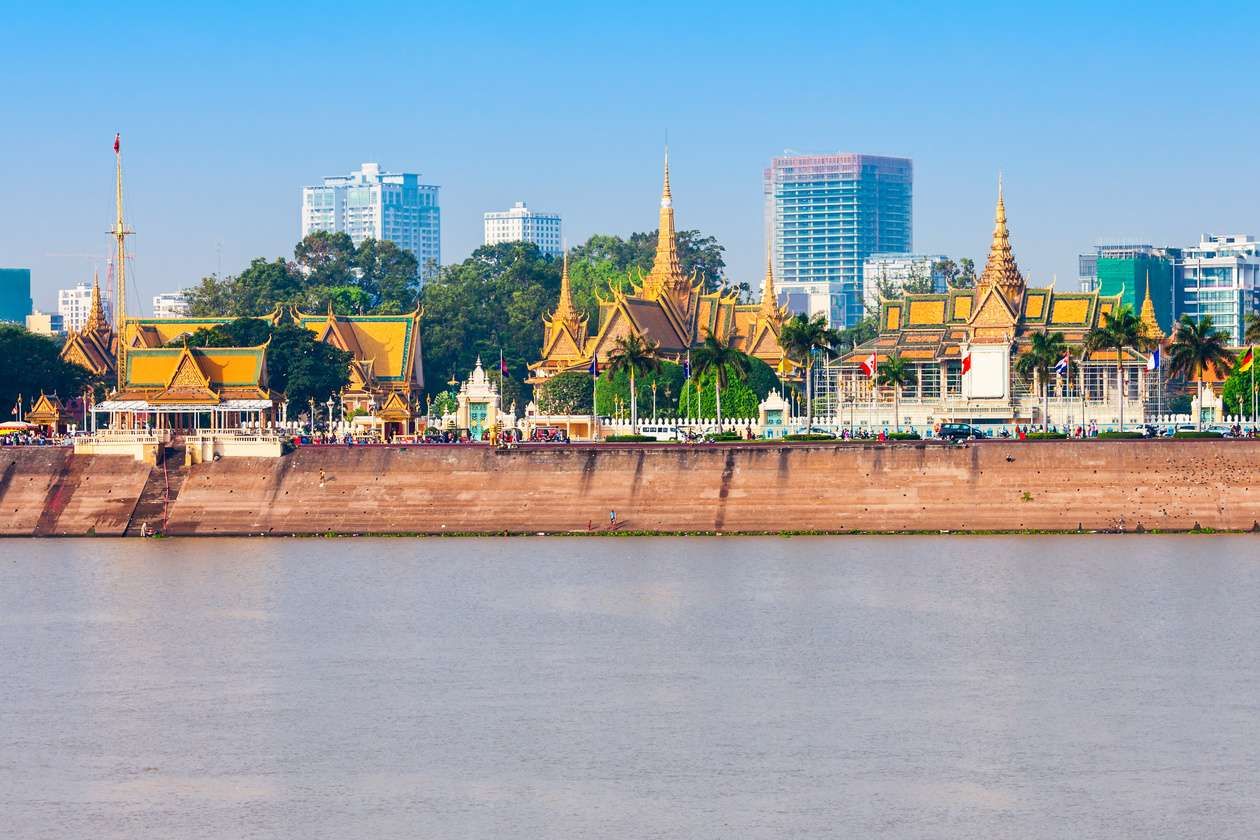
  • Phnom PenhThe capital is Cambodia's busiest city, with a riverfront, lively markets and plenty of schools.
  • Siem ReapThe gateway to Angkor Wat, with a lively international crowd and a very relaxed pace.
  • BattambangA northwest city known for its charming old buildings and a calm, small-city feel.
  • Serei SaophoanA provincial city in the northwest for teachers who want a quieter, more local experience.
  • PoipetA busy border town beside Thailand, a good base for cross-border trips.
Where you’ll train: Hua Hin, ThailandYour in-class course is held in the beach resort town of Hua Hin, so you'll get to know two countries. You'll then travel to Phnom Penh for a week of orientation before heading to your placement.

Everyday life in Cambodia

Festivals and waterKhmer New Year brings ceremonies, traditional dance and water festivals, reflecting how important water is to daily life.
Living artsApsara dance, silk weaving and pottery are alive and well, and efforts to preserve them are everywhere.
Monks and templesBuddhism is central to daily life, and orientation includes a temple visit with a blessing from a monk.
Next-door adventuresThailand, Laos and Vietnam are right next door, which makes long weekends and holidays easy to plan.

A little history

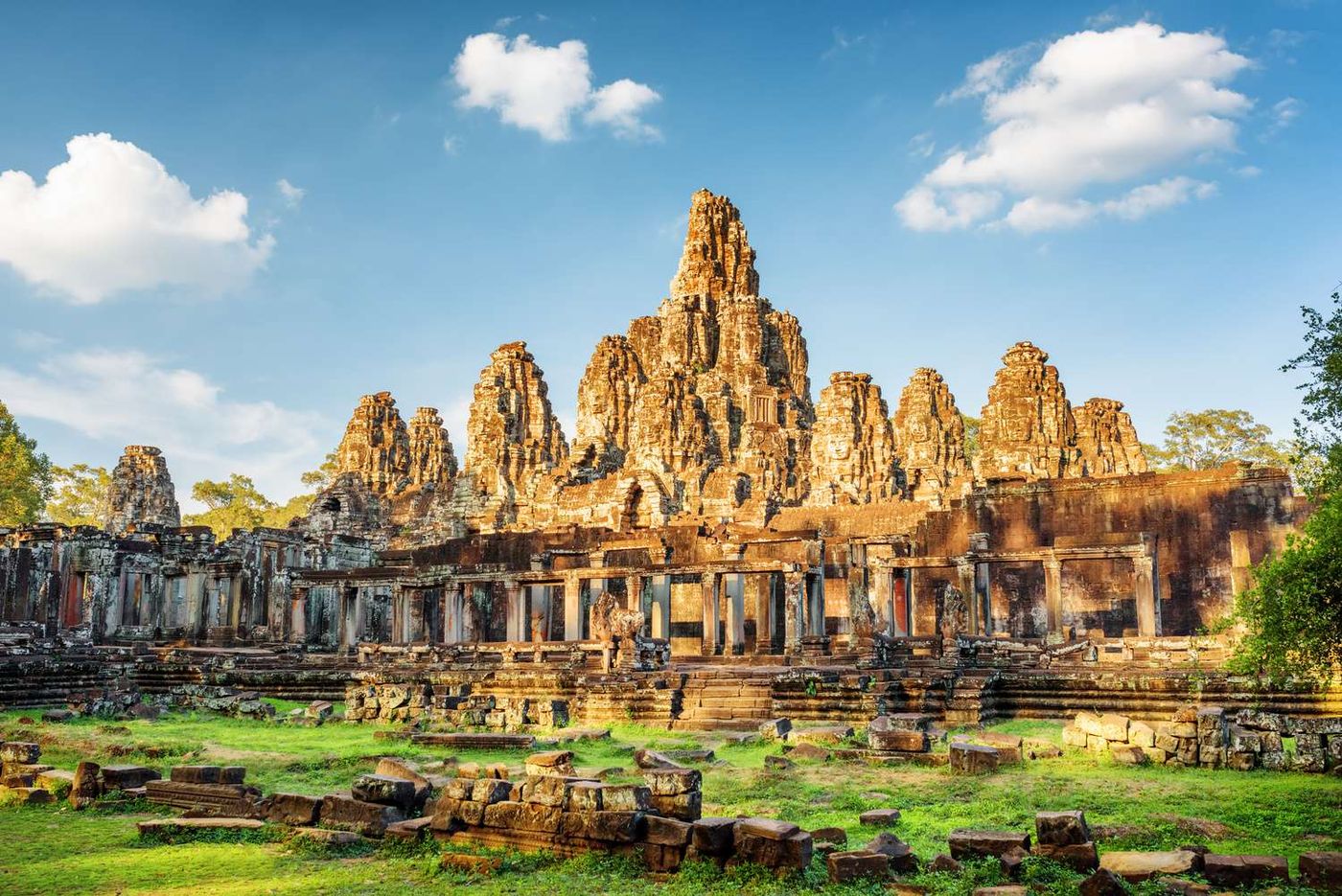
The Khmer Empire rose in the early 9th century and, over the next 600 years, became one of the great powers of Southeast Asia. Its kings built Angkor, a vast city of temples, reservoirs and canals near today's Siem Reap, with Angkor Wat dating from the 12th century. The Bayon temple, with its giant smiling stone faces, is another highlight of the era.

Angkor was left behind as the capital in the 15th century, and Cambodia later became a French protectorate before gaining independence in 1953. The late 20th century brought war and the Khmer Rouge regime of 1975 to 1979, a period of immense suffering. Since the 1991 Paris Peace Agreements, the country has been rebuilding, and Cambodians today are proud of their heritage and looking ahead.

Weather and seasons

Cambodia has a tropical monsoon climate with warm temperatures all year. There are three broad seasons: a cooler dry season, a very hot stretch before the rains, and a green, wet monsoon season. Rain usually arrives in heavy bursts and then clears, leaving the countryside a brilliant green.

  • Cool dry seasonNov-FebThe most comfortable time to visit, with clear skies, lower humidity and the best light at Angkor.
  • Hot seasonMar-MayVery hot and dry, often topping 95 degrees Fahrenheit, so start sightseeing early.
  • Rainy seasonJun-OctWarm and humid with afternoon downpours, quieter temples and glowing green rice fields.

Things to do on your weekends

  1. Watch sunrise at Angkor WatGet there early to see the temple's towers glow against the dawn sky, then explore the wider Angkor complex.
  2. Meet the faces of the BayonLook up at the serene stone faces carved into the towers of this temple in Angkor Thom.
  3. Wander Siem ReapBrowse markets, grab dinner on Pub Street and catch a traditional dance performance in the temple town.
  4. Explore Phnom PenhVisit the Royal Palace, the riverfront and local markets to see the capital's energy and charm.
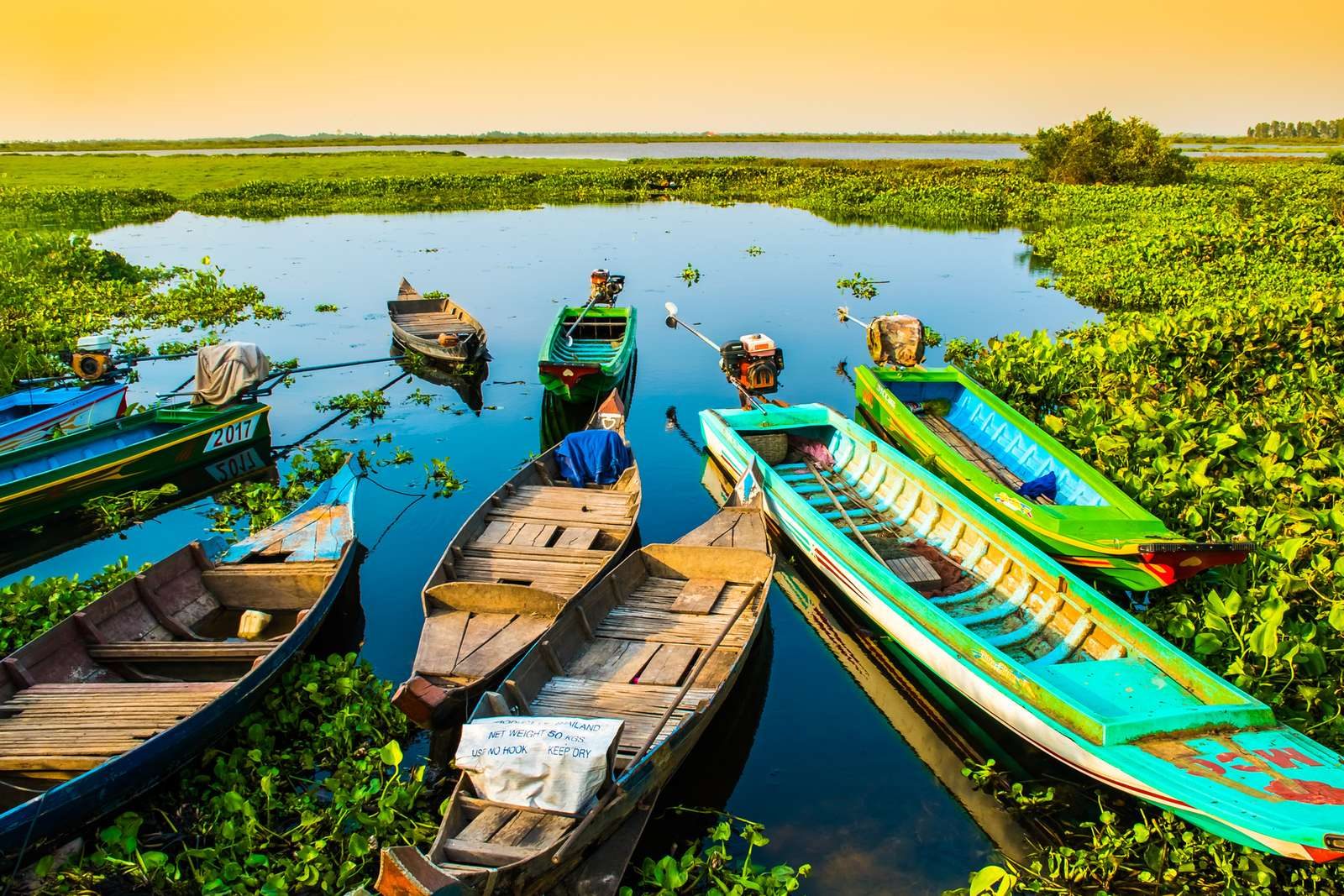
  5. Float on Tonle SapTake a boat trip on Southeast Asia's largest freshwater lake to see floating villages and flooded forest.
  6. Escape to the coastRelax on island beaches around Koh Rong, then enjoy riverside sunsets and pepper farms near Kampot.

What to eat

Fish amokFish steamed in banana leaf with coconut milk and fragrant herbs, often called the national dish.
Lok lakStir-fried marinated beef served with rice and a tangy lime and pepper dipping sauce.
Kuy teavA morning noodle soup with pork or seafood, topped with fresh herbs.
Nom banh chokRice noodles topped with a fish-based green curry and crisp vegetables, a classic Khmer breakfast.

Good to know

  • Greet people with a sampeah, palms pressed together and a slight bow, and bow a little deeper for elders and monks.
  • Cover your shoulders and knees at temples and pagodas, and take your shoes off before entering sacred spaces.
  • Don't touch someone's head or point your feet at people or Buddha images.
  • Cambodia uses both the riel and US dollars, so carry small, crisp dollar bills for everyday purchases.

Your one-week cultural orientation covers the basics of language and etiquette when you arrive.

Picture yourself in Cambodia?

Start your application