Teach English in Vietnam
Vibrant cities, incredible food and strong demand for teachers. Earn $1,400-1,600 a month on a low cost of living, and save as you go.
- Duration
- 9 or 12 months
- From
- $1,994
- Salary
- $1,400-1,600/mo
- Next start
- 26 Apr 2027
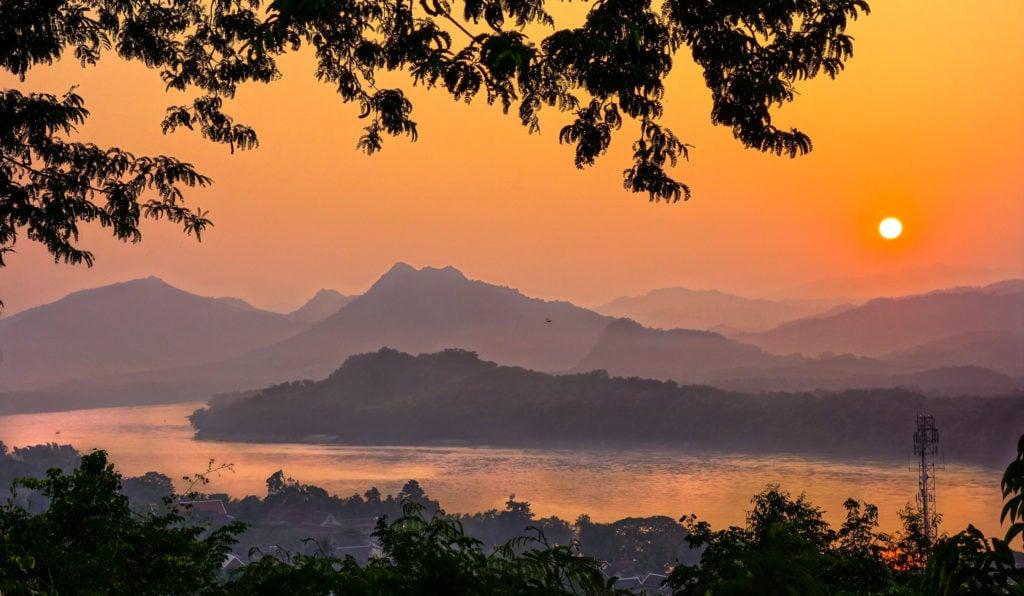

Rice paddies, ancient towns and motorbike-filled streets
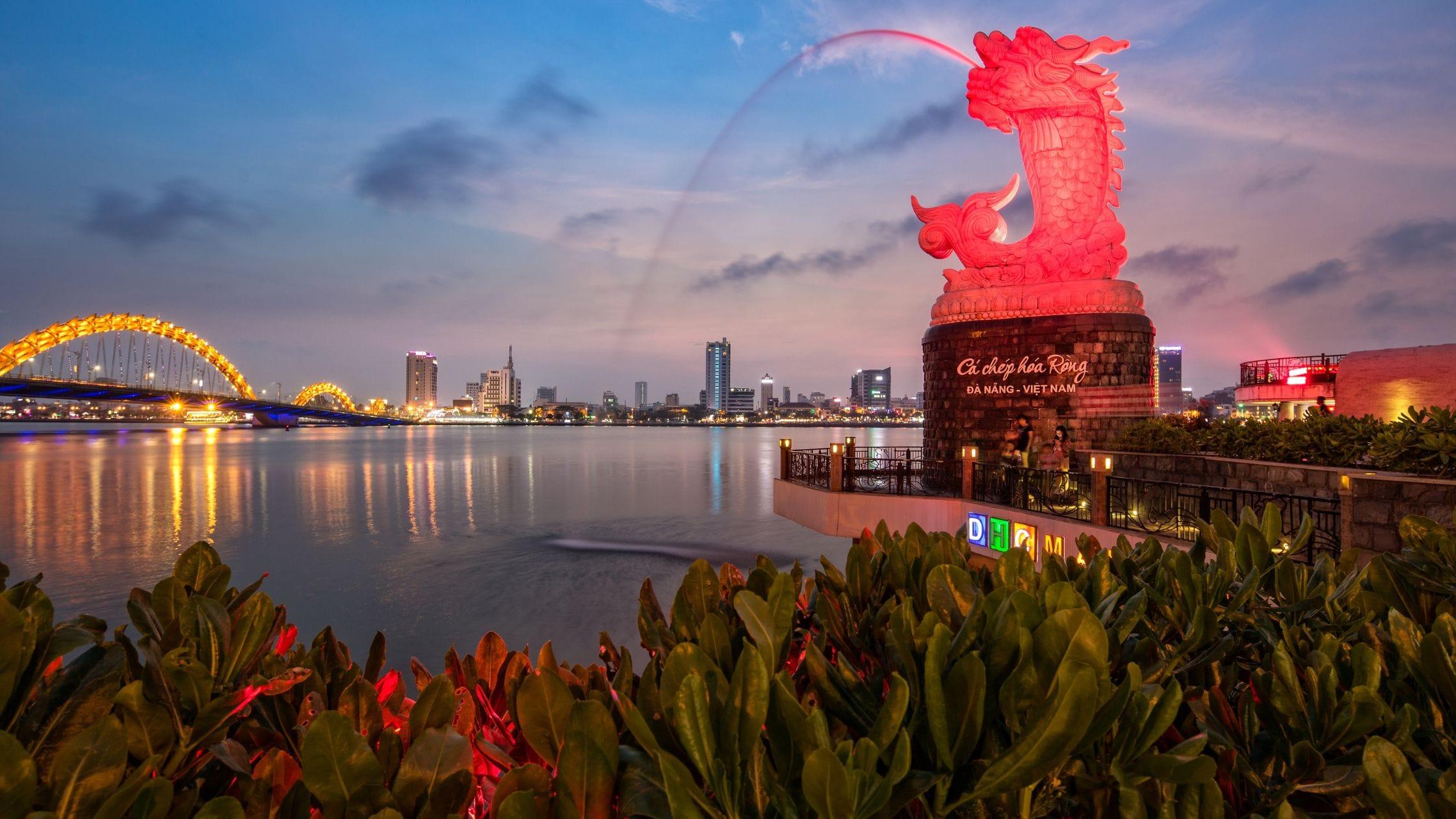
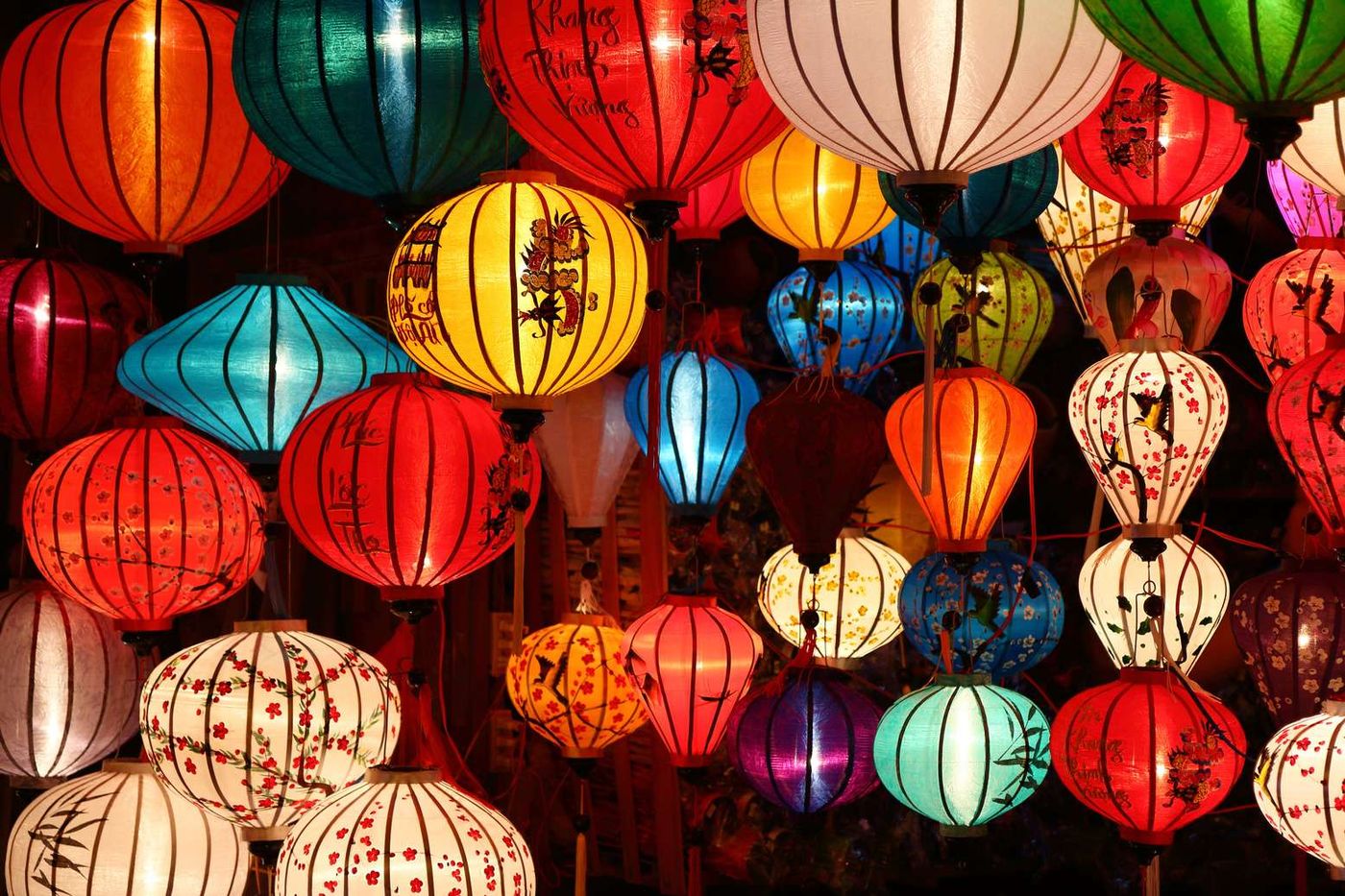
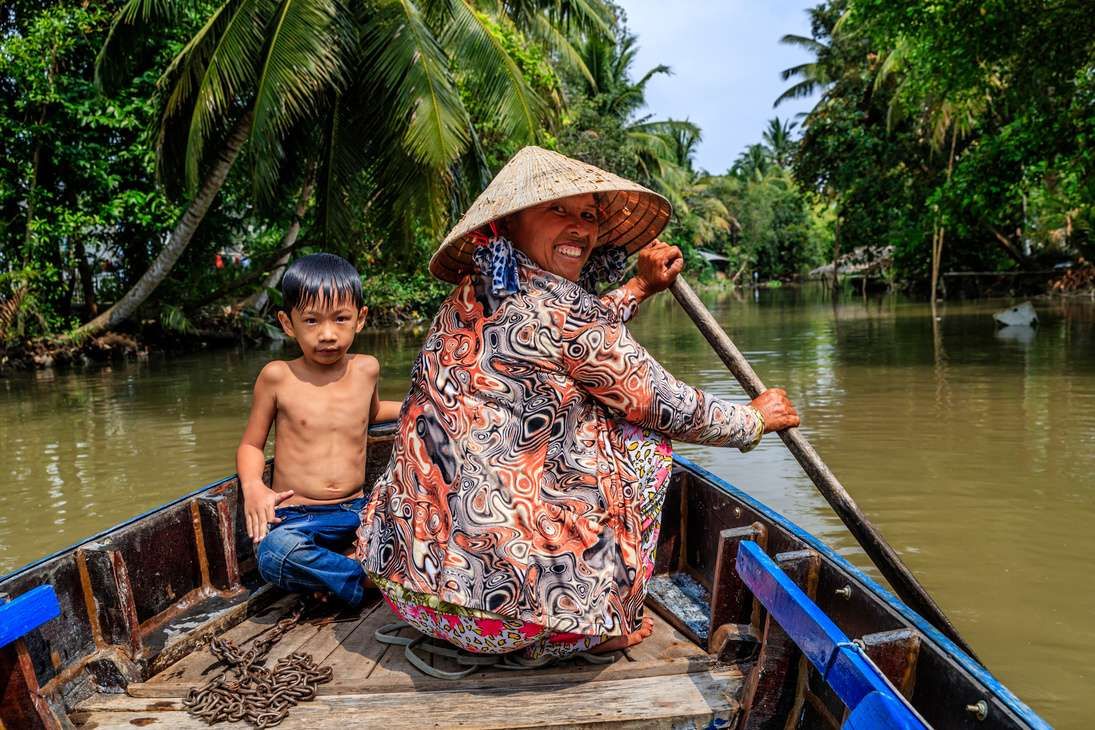
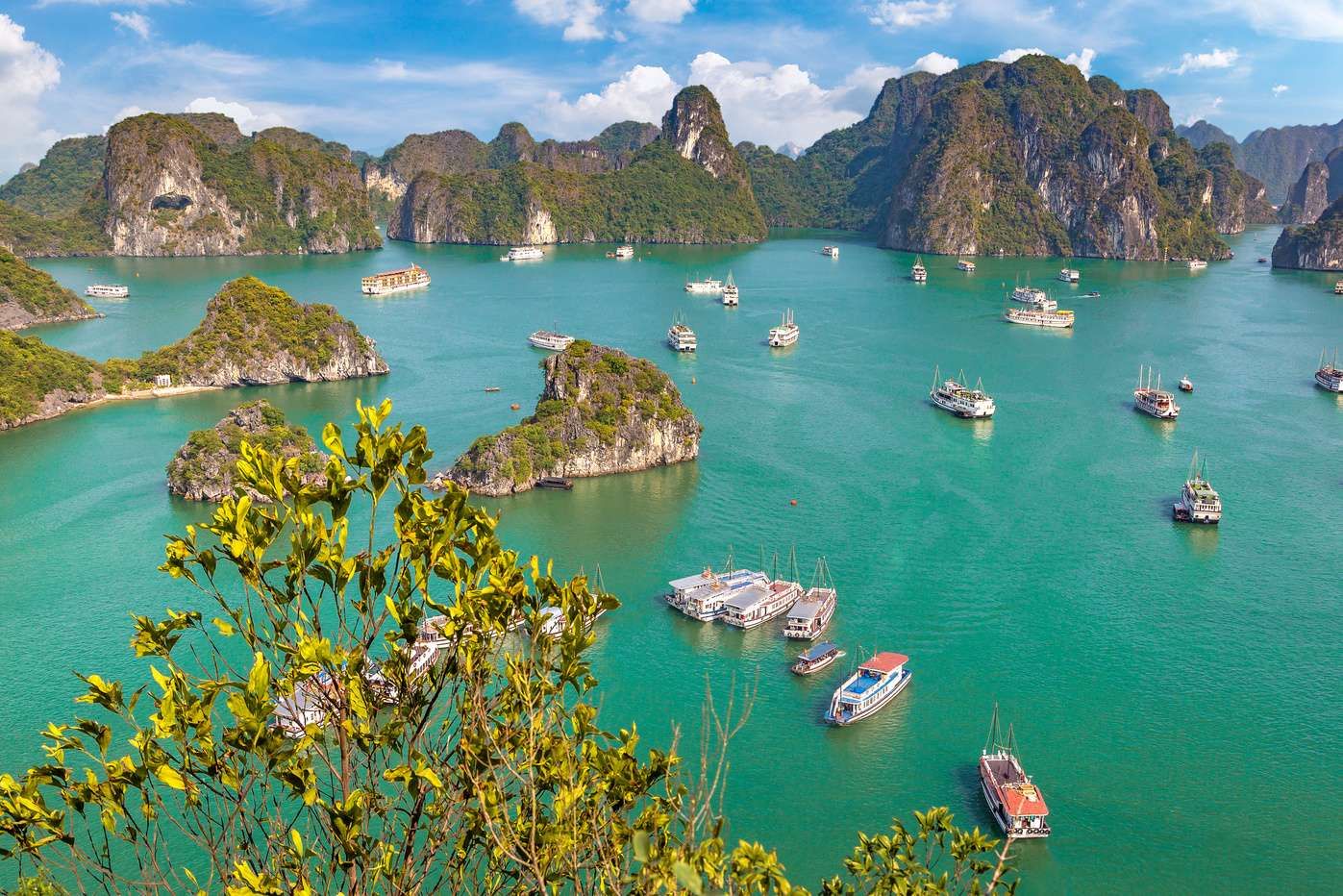
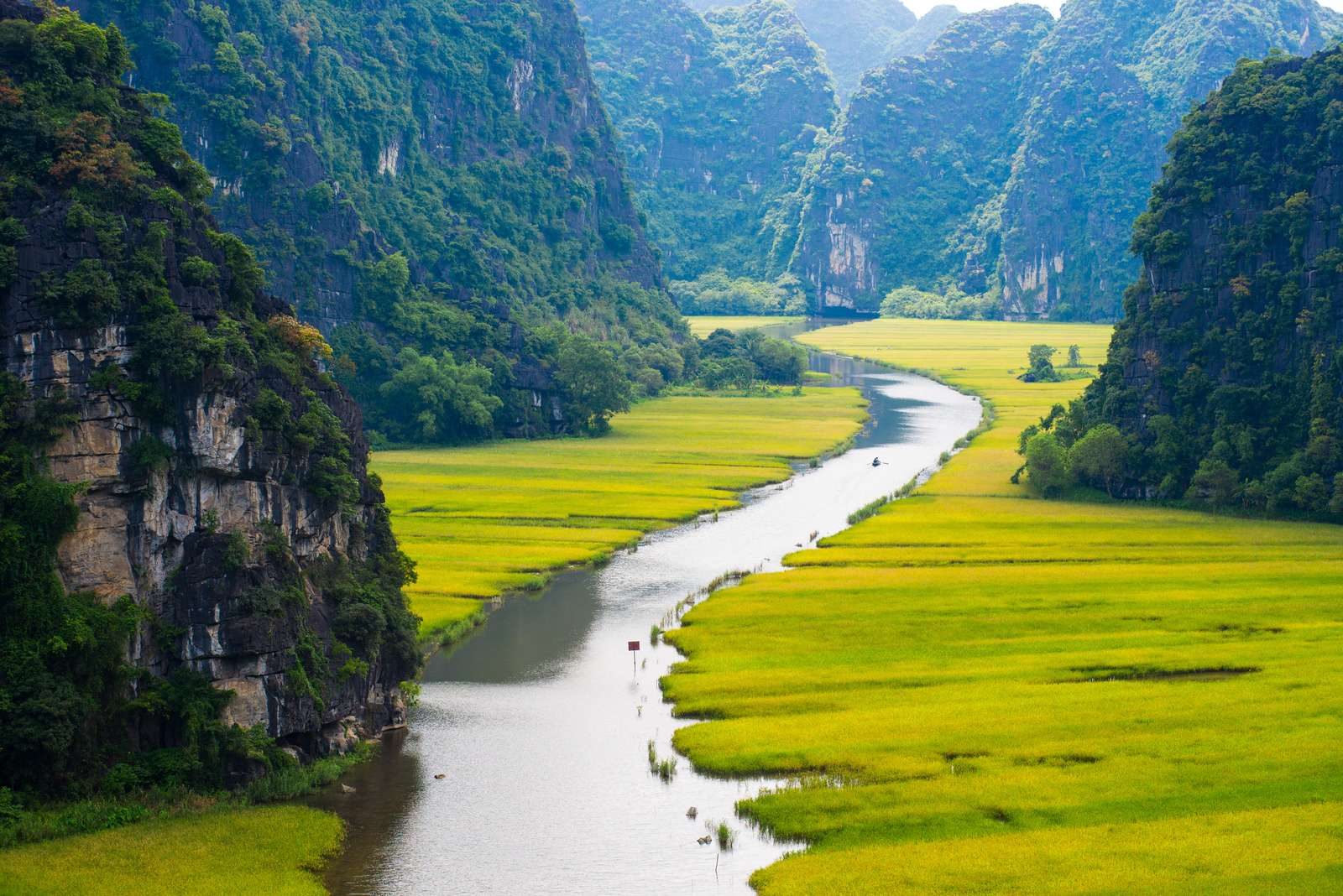
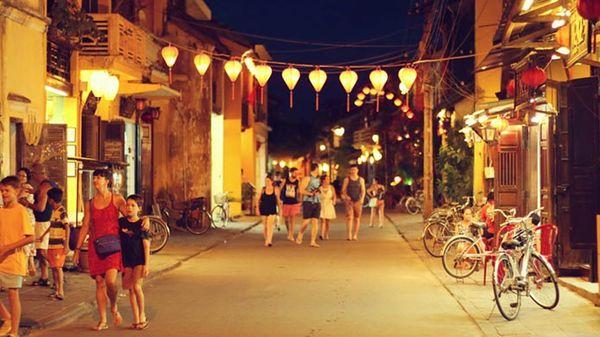
Vietnam runs like a ribbon down the coast of Southeast Asia, and it changes from top to bottom. The south has the Mekong Delta's rice paddies and floating markets. The center offers highlands, historic Hoi An and beach towns. The north brings misty mountains, limestone bays and cooler weather, with French colonial architecture mixed in.
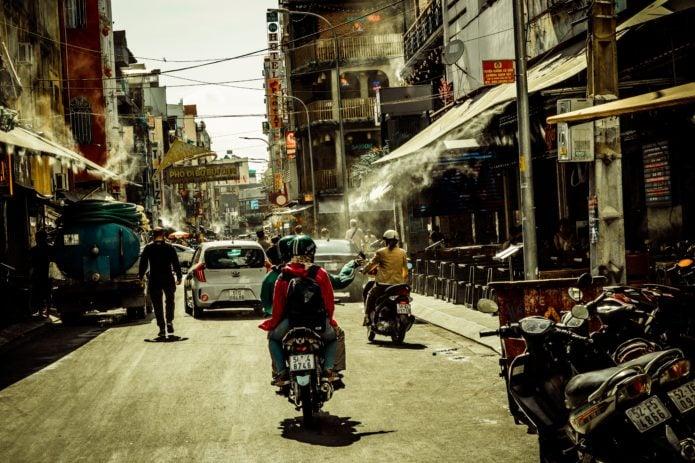
Wherever you are, you'll find friendly locals, great coffee and street food that's among the best on the planet. Cities hum with motorbikes and energy, but a short trip takes you to quiet countryside. It's a place where everyday life is lively, affordable and easy to enjoy.
1 programCompare these with other programs

Vibrant cities, incredible food and strong demand for teachers. Earn $1,400-1,600 a month on a low cost of living, and save as you go.
Vietnam stretches along the coast of Southeast Asia, with mountains in the north, coastal plains and a long shoreline, and the warm south. The north has cool winters and hot summers, the center is tropical, and the south stays warm. Two monsoon seasons shape the year, wet from May to October and dry from November to April.
Vietnamese is a tonal language with six tones, written in the Latin alphabet. There are northern, central and southern dialects, with the north seen as standard. Tones take practice, and you'll pick up plenty just from daily life. Orientation gives you a head start with the essentials.
Vietnam's story is one of resilience. Chinese dynasties ruled the north for roughly a thousand years, until Ngo Quyen won independence in 938. Vietnamese dynasties such as the Ly, Tran and Le then built a strong national identity and pushed back several invasions, including the Mongols in the 13th century. Over time, the country expanded south toward the Mekong Delta.
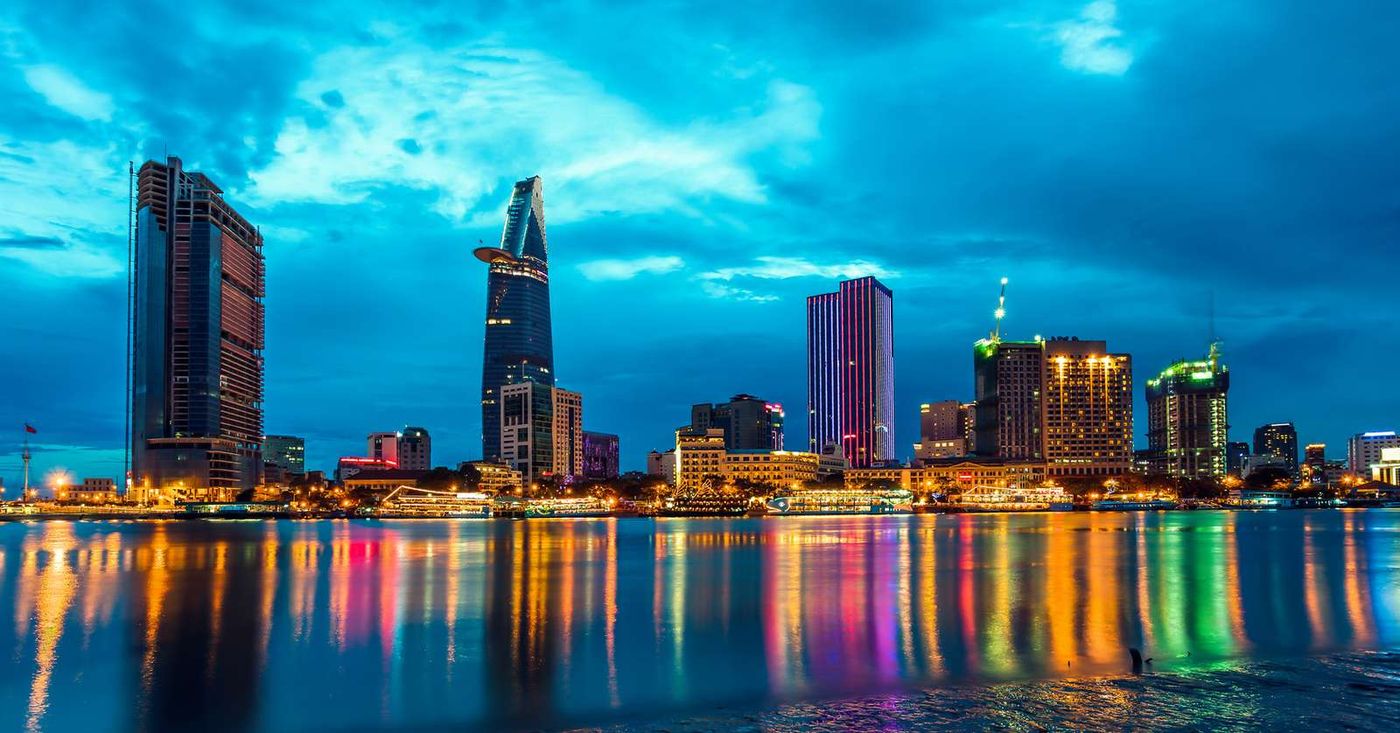
France took control in the 19th century, and Vietnam became part of French Indochina. After independence was declared in 1945 and the French defeat at Dien Bien Phu in 1954, the country was divided. The Vietnam War ended in 1975 with reunification, and the Doi Moi reforms of 1986 opened up the economy, driving the rapid growth you see today.
Vietnam's long shape means the weather changes a lot between regions. The north has four seasons, including a chilly winter, while the south is tropical with just two: dry and wet. The central coast has its own pattern, with the heaviest rain arriving late in the year. Pack for heat and humidity in most places.
Your one-week cultural orientation covers the basics of language and etiquette when you arrive.