Costa Rica

Rainforests, volcanoes, two coastlines and a pura vida attitude

Capital
San Jose
Language
Spanish
Currency
Costa Rican colon (CRC)
Time zone
GMT-6
Population
about 5 million

Why Costa Rica?

Costa Rica is a small country with a huge amount of nature. Rainforests, cloud forests, volcanoes, coffee farms and beaches on both the Pacific and Caribbean coasts all sit within a few hours of each other. It's a little smaller than West Virginia, yet it holds a remarkable share of the world's biodiversity.

Locals, known as Ticos, are warm and laid-back, and you'll hear pura vida (literally, pure life) used for hello, goodbye and everything in between. Costa Rica has long been one of the most stable and welcoming countries in Central America, which makes it a comfortable base for living, working and weekend adventures.

Programs in Costa Rica

2 programsCompare these with other programs

  • Teach

    Teach English in Costa Rica

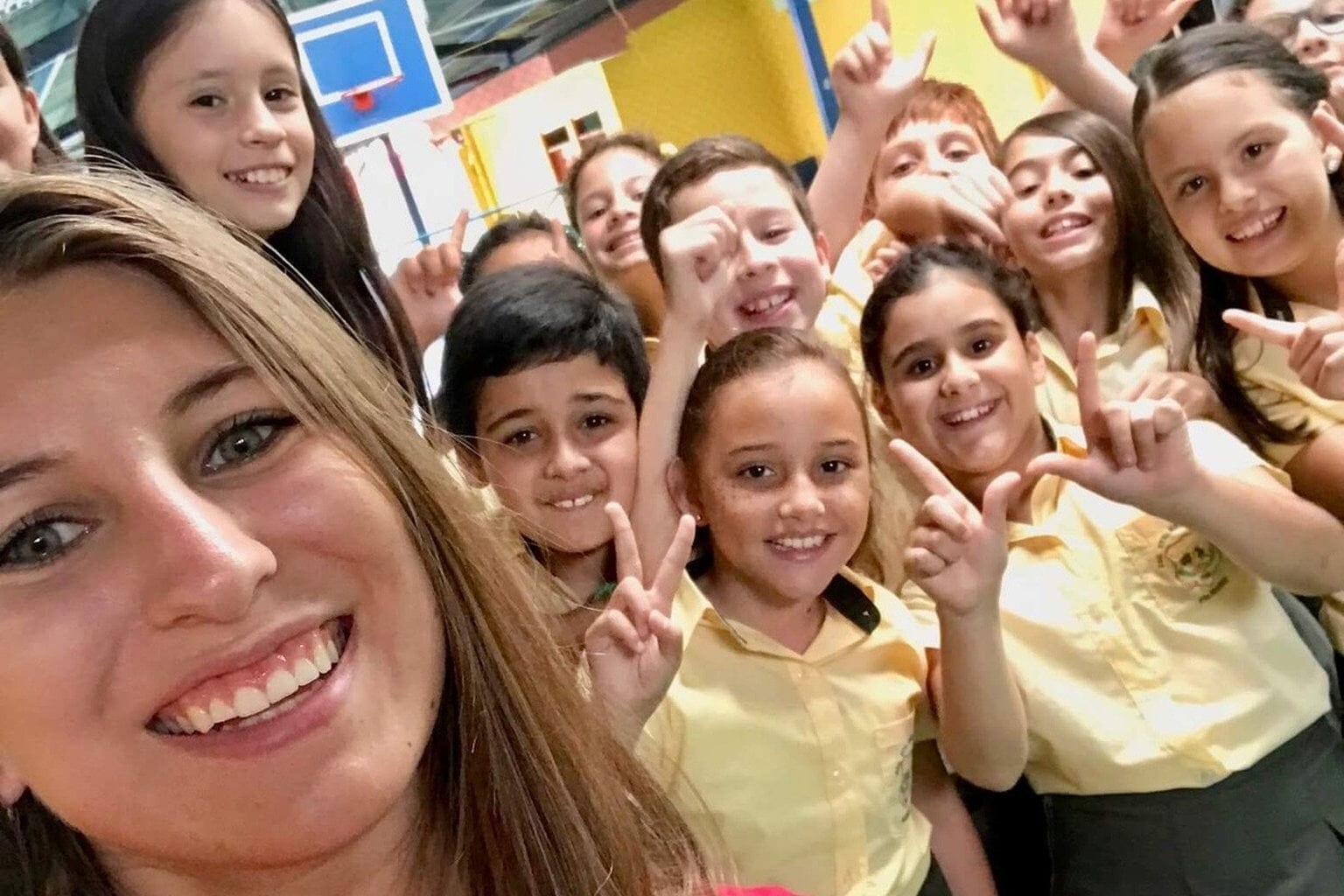
    Swap routine for rainforest mornings and beach sunsets. Teach in a community-first classroom, or online, and live the pura vida.

    Duration
    6 months or 1 year
    From
    $2,099
    Salary
    $700-1,800/mo
    Next start
    1 Mar 2027
  • Short-term · Camp

    Adventure Camp Costa Rica

    A short, supported way to find out what living and teaching abroad is really like. Help run English camps for students in Costa Rica, with a group beside you from day one.

    Duration
    4 weeks
    From
    $2,519
    Apply by
    29 Mar 2027
    Next start
    24 May 2027

The lay of the land

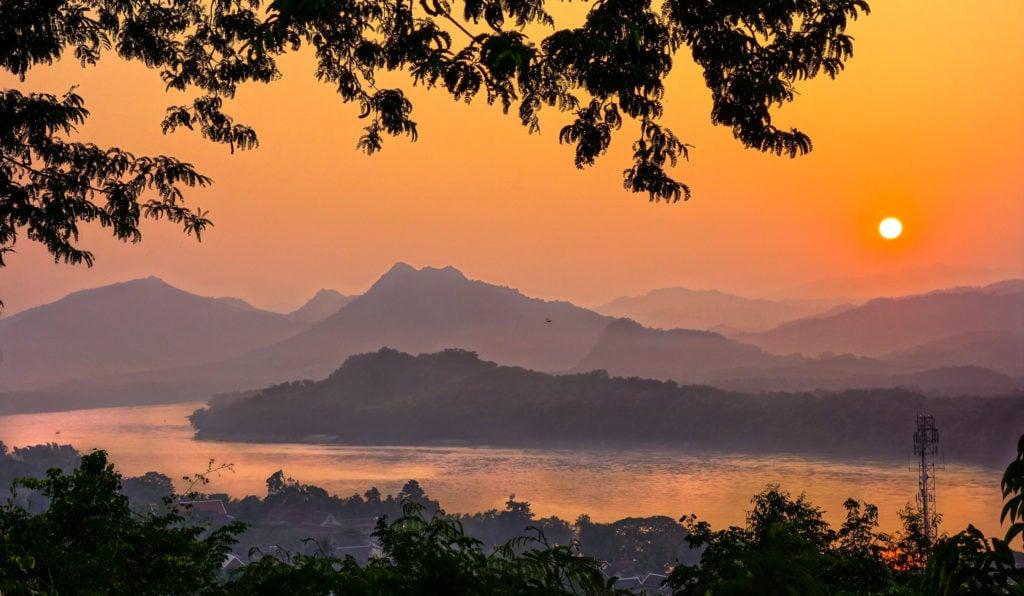
Costa Rica packs coastal plains, dense rainforest, towering mountains and active volcanoes into a small space. The Pacific and Caribbean coasts offer different landscapes, from quiet beaches to coral reefs. A big national park system protects its wildlife, which is why the country is famous for ecotourism.

Language

Spanish is the official language and the one you'll hear everywhere, in schools, shops and on the street. Your orientation and course include Spanish lessons, so you'll be ready for markets, taxis and ordering a meal, and you'll keep improving every day.

Where our teachers live in Costa Rica

Placements are spread across city, beach and remote settings, and online teaching from anywhere is a popular option.

  • San JoseThe capital and the biggest hub for teaching, with theaters, museums and lots of buses to the rest of the country.
  • LiberiaA gateway to the dry, sunny northwest, close to beaches and national parks.
  • HerediaA city right next to San Jose with a lively student feel and the capital's amenities close by.
  • Playas del CocoA Pacific beach town where days off mean surf, sunsets and seafood.
  • TamarindoA well-known beach town popular with surfers and travelers, with a social, international crowd.
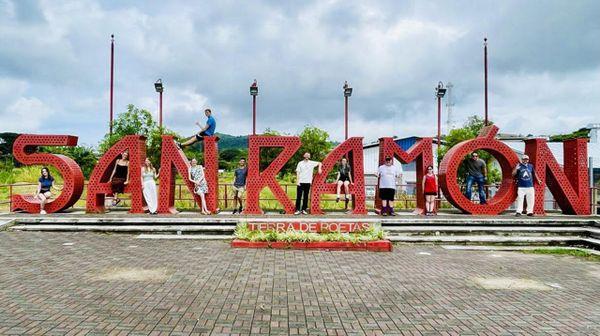
Where you’ll train: San RamonA friendly, quaint city in the mountainous central valley, known as the city of presidents and poets. It's coffee and sugar cane country, with one of the most comfortable climates around.

Everyday life in Costa Rica

Safe and stableCosta Rica is one of the safest countries for foreigners in Central or South America and one of its longest-running stable democracies.
Well connectedWifi and smartphones are everywhere, and the country has strong infrastructure for foreigners, so settling in is easy.
Live like a digital nomadOnline teaching lets you base yourself almost anywhere, from a beach town to a city apartment.
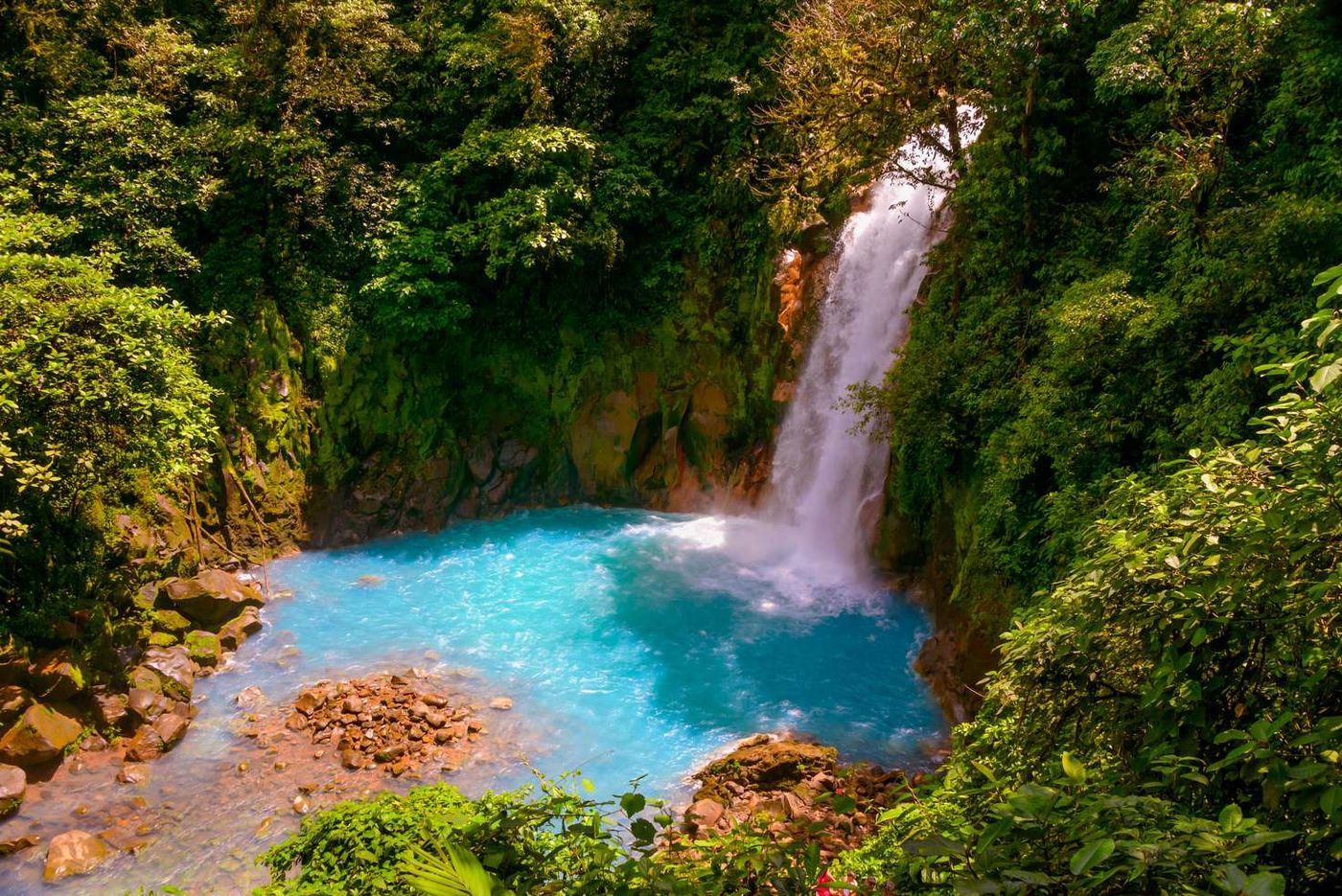
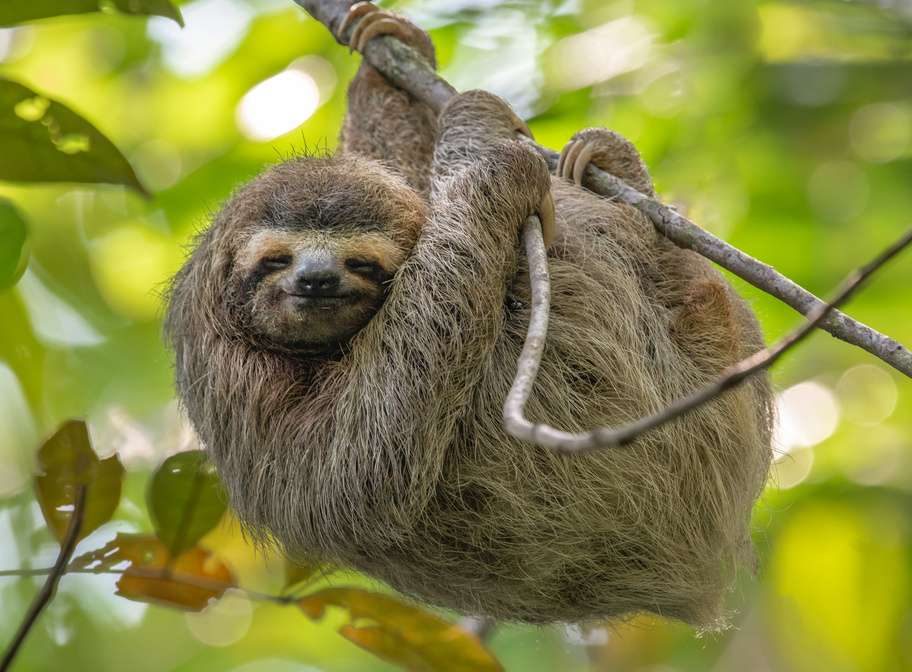
Nature as a neighborOrientation includes a waterfall visit and an animal rescue center day, and the national parks are never far.

A little history

Before the Spanish arrived in the early 1500s, a number of Indigenous peoples lived across what's now Costa Rica. Under Spanish rule it was a remote, modest corner of the empire with little gold, so most families farmed their own land. That helped create a more equal society than in many neighboring countries, and Costa Rica joined the rest of Central America in declaring independence in 1821.

Coffee became the main export in the 19th century and shaped both the economy and the cities. After a brief civil war in 1948, Costa Rica abolished its army and put its focus on education and healthcare. That choice still defines the national character. The country has been a stable democracy ever since, and it has a strong track record on conservation.

Weather and seasons

Costa Rica sits close to the equator, so temperatures stay fairly steady all year, and elevation matters more than season. The coasts are hot and humid, while the central highlands, including San Jose, are pleasantly mild. The year splits into a dry season and a green, rainy season, with the Caribbean side getting rain more evenly all year.

  • Dry seasonDec-AprSunny days and blue skies, especially on the Pacific side, and the busiest time for visitors.
  • Green seasonMay-AugMornings are usually bright, with rain rolling in during the afternoon and the landscape turning lush.
  • Wettest monthsSep-NovThe heaviest rain, mostly on the Pacific side, with quieter trails and fewer crowds.

Things to do on your weekends

  1. Tour a coffee farmWalk through a working plantation and learn how coffee shaped Costa Rica's history, then enjoy a fresh cup.
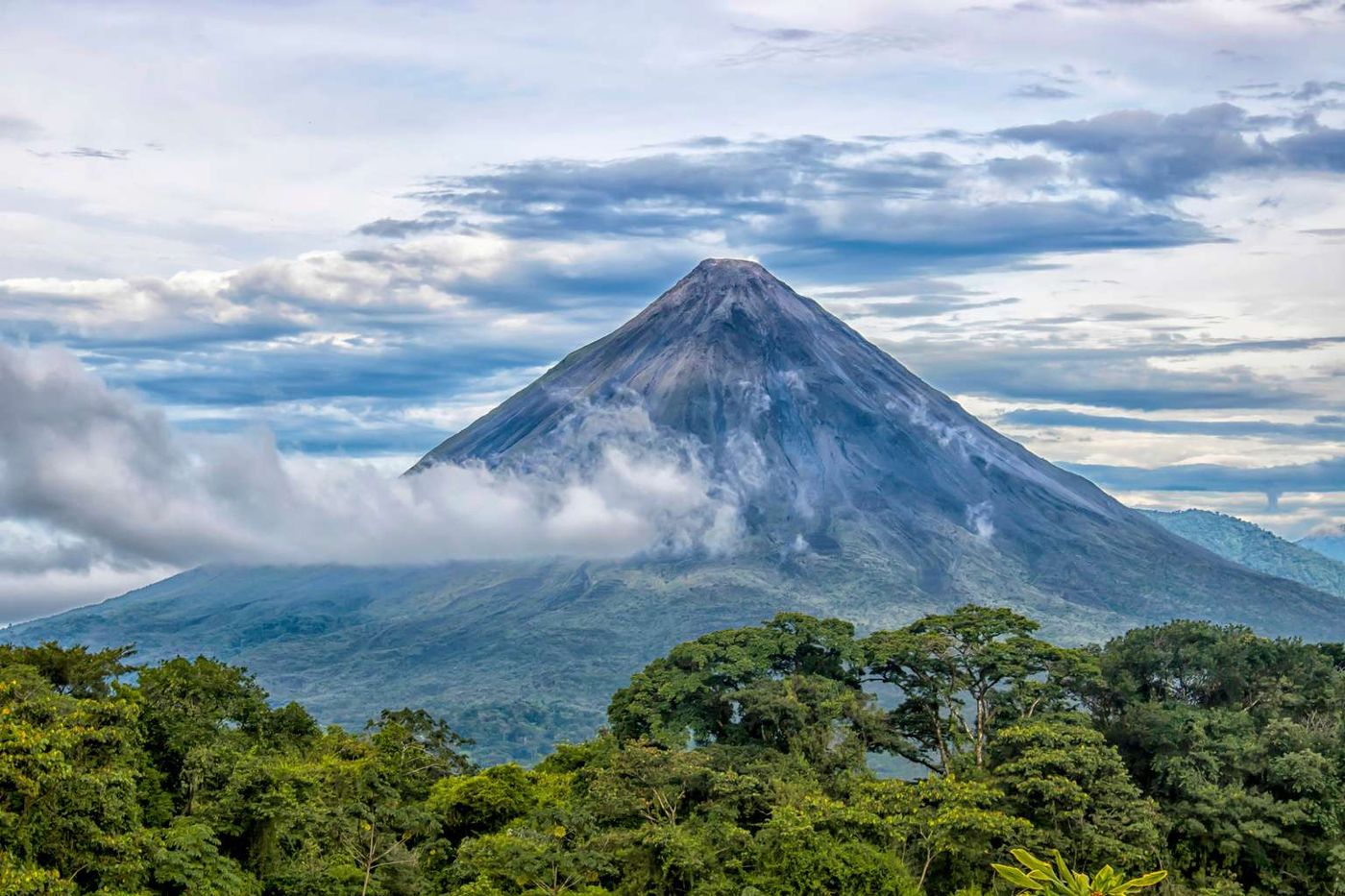
  2. Soak in hot springsRelax in naturally warmed volcanic hot springs near Arenal Volcano after a long day of exploring the rainforest.
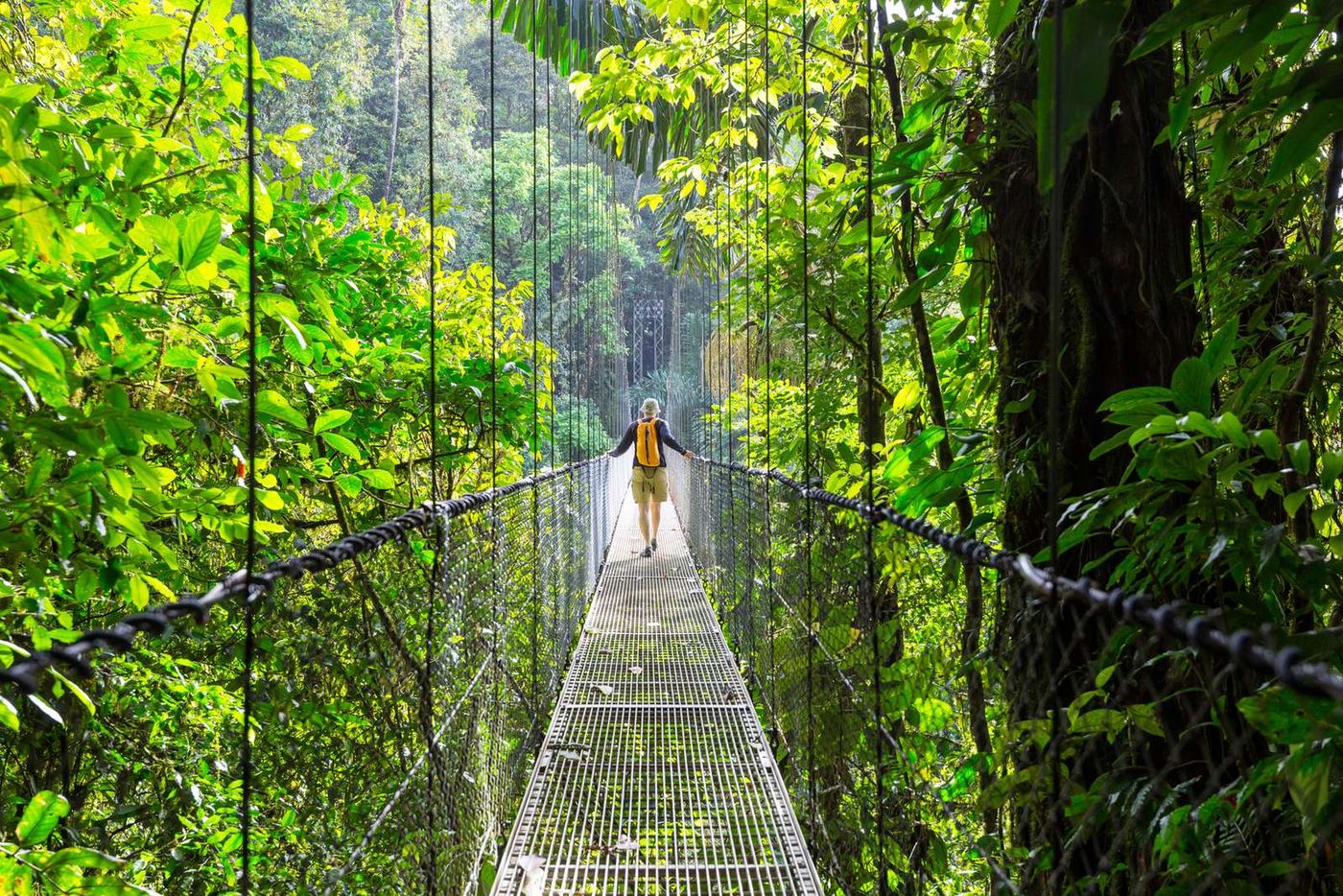
  3. Walk Monteverde's cloud forestCross hanging bridges high in the canopy and keep an eye out for hummingbirds, sloths and maybe a quetzal.
  4. Chase waterfallsHike to cascades like La Fortuna Waterfall and cool off in the clear pools at the base.
  5. Spot wildlife at Manuel AntonioCombine beach time with monkeys, toucans and sloths at this compact national park on the Pacific coast.
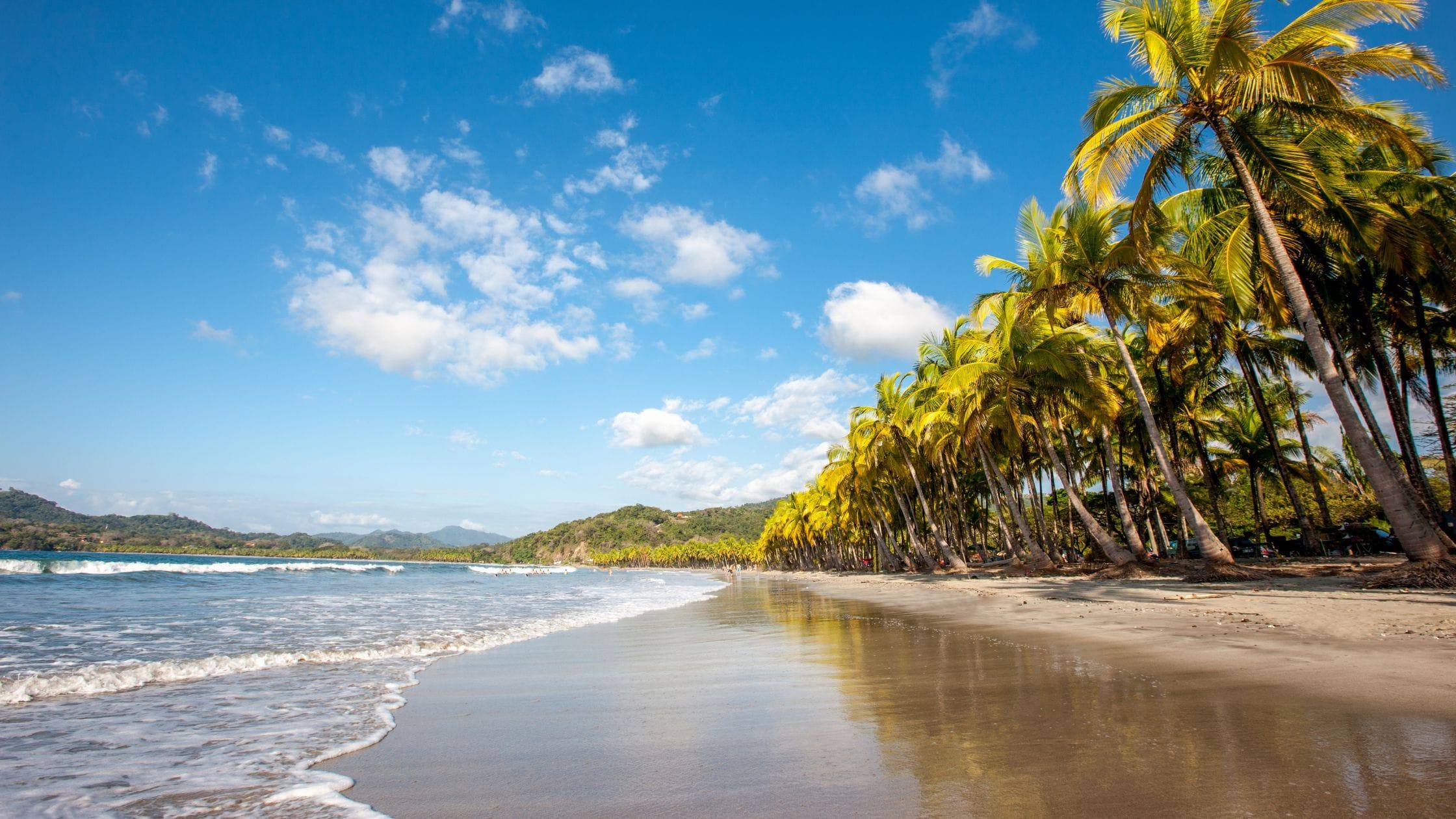
  6. Hit the beachSurf, snorkel or simply relax on the Pacific beaches of Guanacaste or the Caribbean coast near Puerto Viejo.

What to eat

Gallo pintoRice and black beans fried with onion, pepper and cilantro, a staple at breakfast.
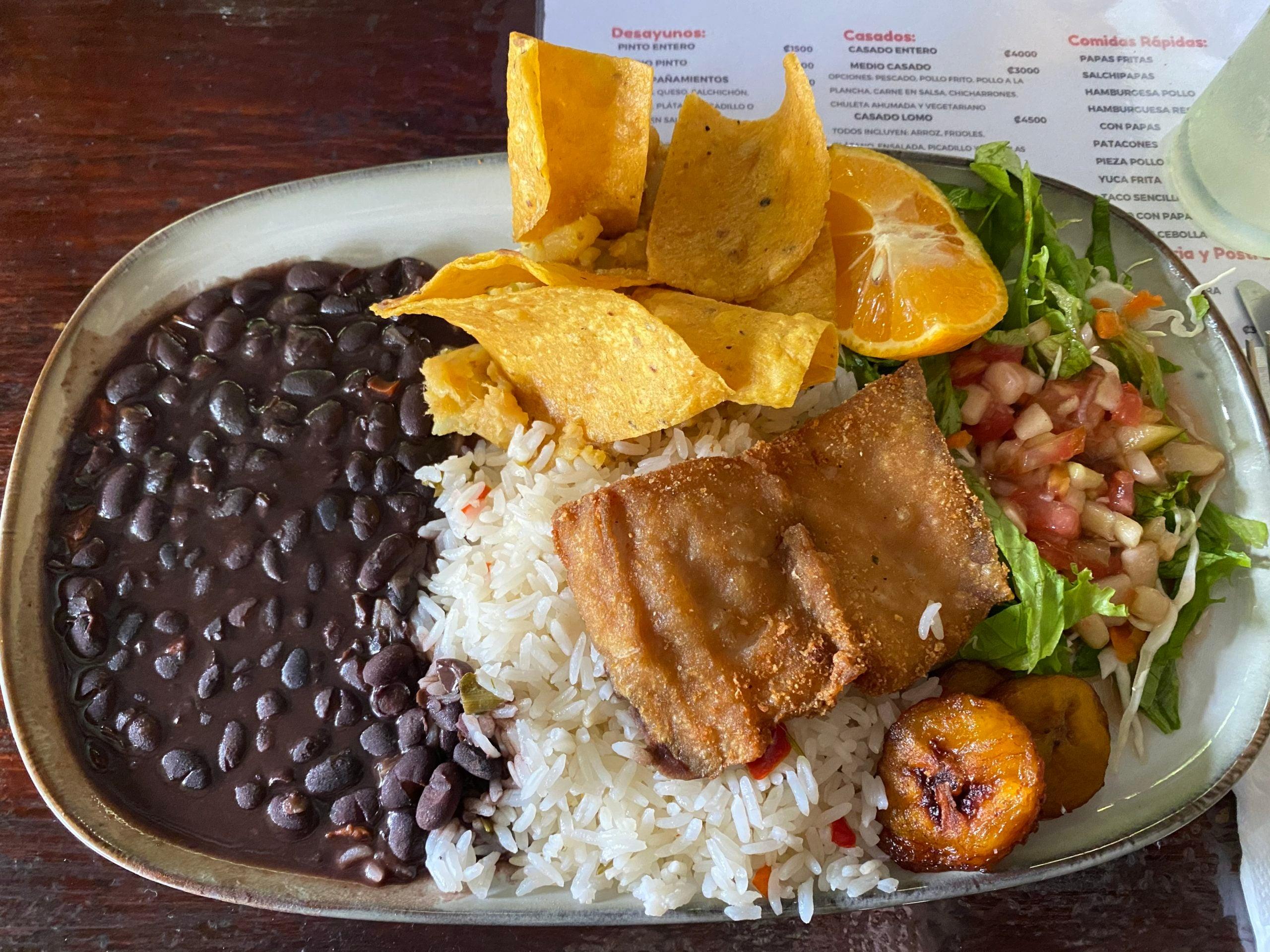
CasadoA hearty plate of rice, beans, salad, plantain and your choice of meat or fish, served at local sodas.
CevicheFresh fish cured in lime juice with onion and cilantro, popular along the coast.
Tres lechesA light sponge cake soaked in three kinds of milk, found at most celebrations.

Good to know

  • Pura vida works as hello, goodbye and thank you, so use it freely and with a smile.
  • Say buenos dias when you walk into a shop, and expect a handshake or a light cheek kiss among friends.
  • Plans can run on flexible time, so build in some patience when social events start later than expected.
  • Keep valuables out of sight on beaches and buses, as petty theft is the most common issue for visitors.

Your one-week cultural orientation covers the basics of language and etiquette when you arrive.

Picture yourself in Costa Rica?

Start your application