Japan

Ancient traditions and neon-lit cities, side by side

Capital
Tokyo
Language
Japanese
Currency
Japanese yen (JPY)
Time zone
GMT+9
Population
about 123 million

Why Japan?

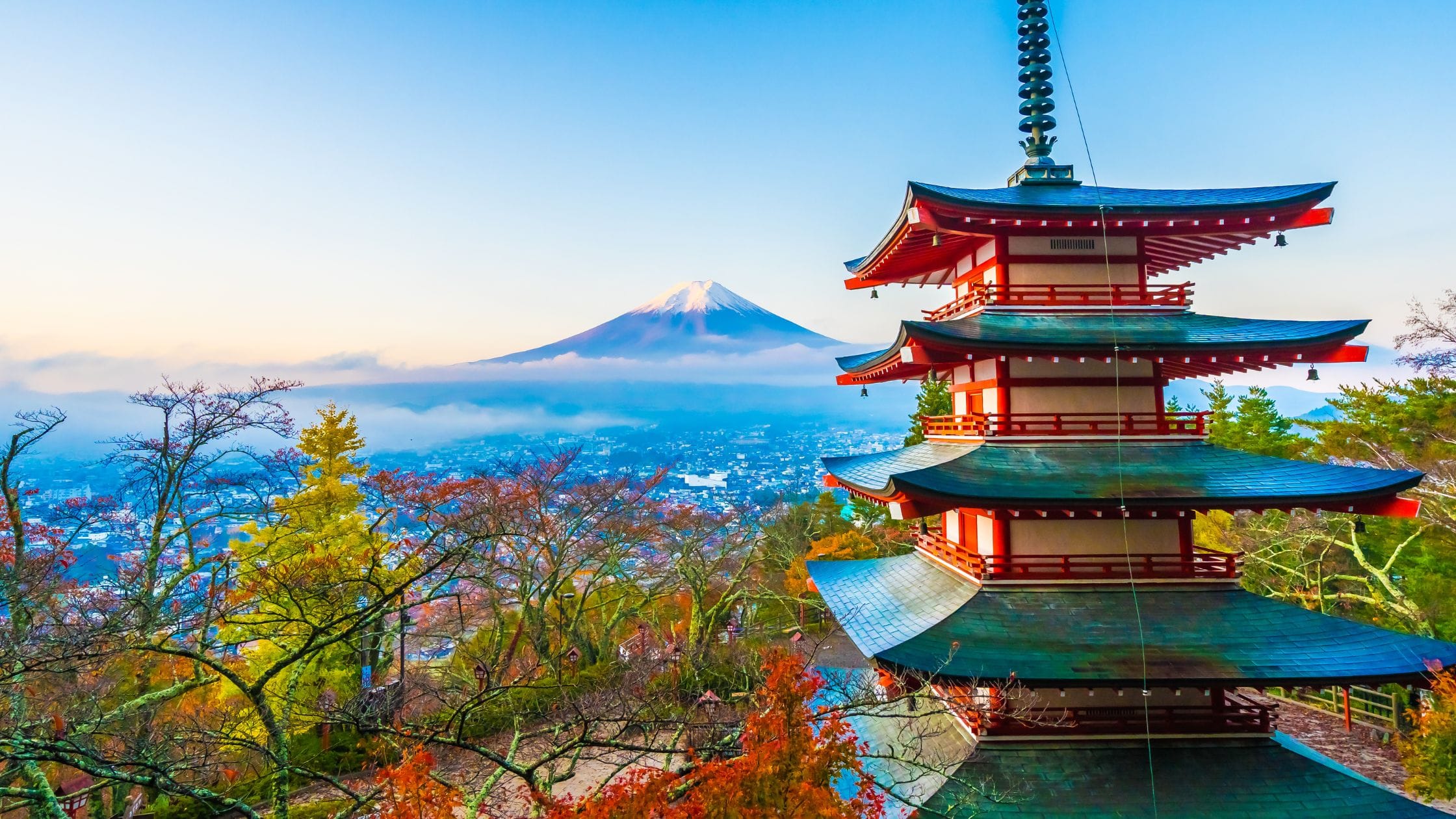
Japan is a country of beautiful contrasts. You can start your morning at a quiet shrine tucked between skyscrapers and end it on a bullet train racing across the countryside. Tradition runs deep here, from tea ceremonies and seasonal festivals to castles and pagodas, while technology and design keep pushing forward at a remarkable pace.

Getting around is a joy. Trains are clean, punctual and reach almost everywhere, cities feel safe, and the food is something special. With ski slopes in the north, castle towns in the center and subtropical beaches in the far south, there's always a new corner to explore on your days off.

Programs in Japan

2 programsCompare these with other programs

  • Teach

    Teach English in Japan

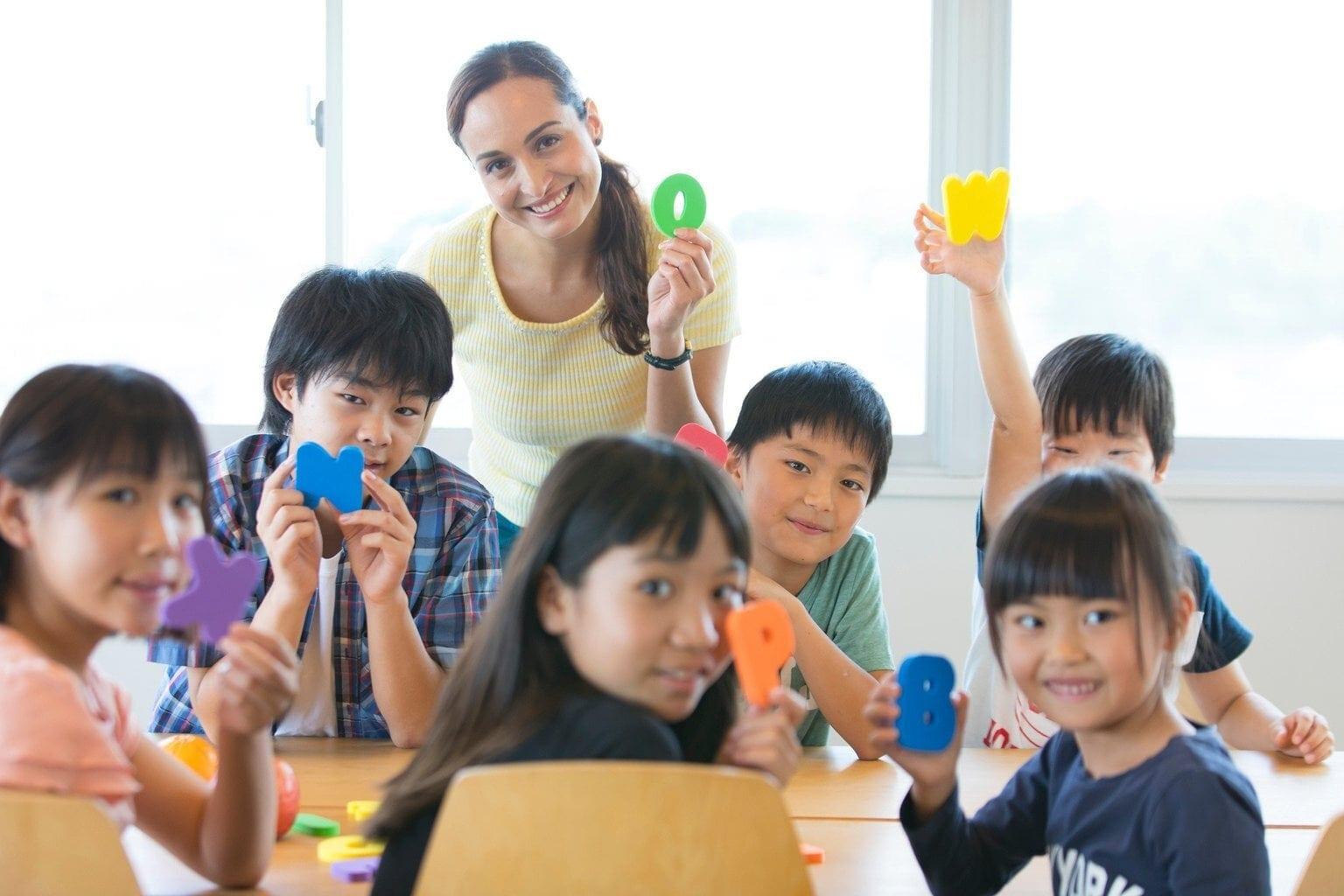
    Safe cities, reliable routines and classroom moments you'll remember. Daily life in Japan, far beyond the tourist trail.

    Duration
    1 year
    From
    $1,994
    Salary
    $1,400-1,900/mo
    Next start
    17 May 2027
  • Short-term · Camp

    Adventure Camp Japan

    A short, supported way to find out what living and teaching abroad is really like. Help run English camps for students in Japan, with a group beside you from day one.

    Duration
    4 weeks
    From
    $2,799
    Apply by
    28 Dec 2026
    Next start
    22 Feb 2027

The lay of the land

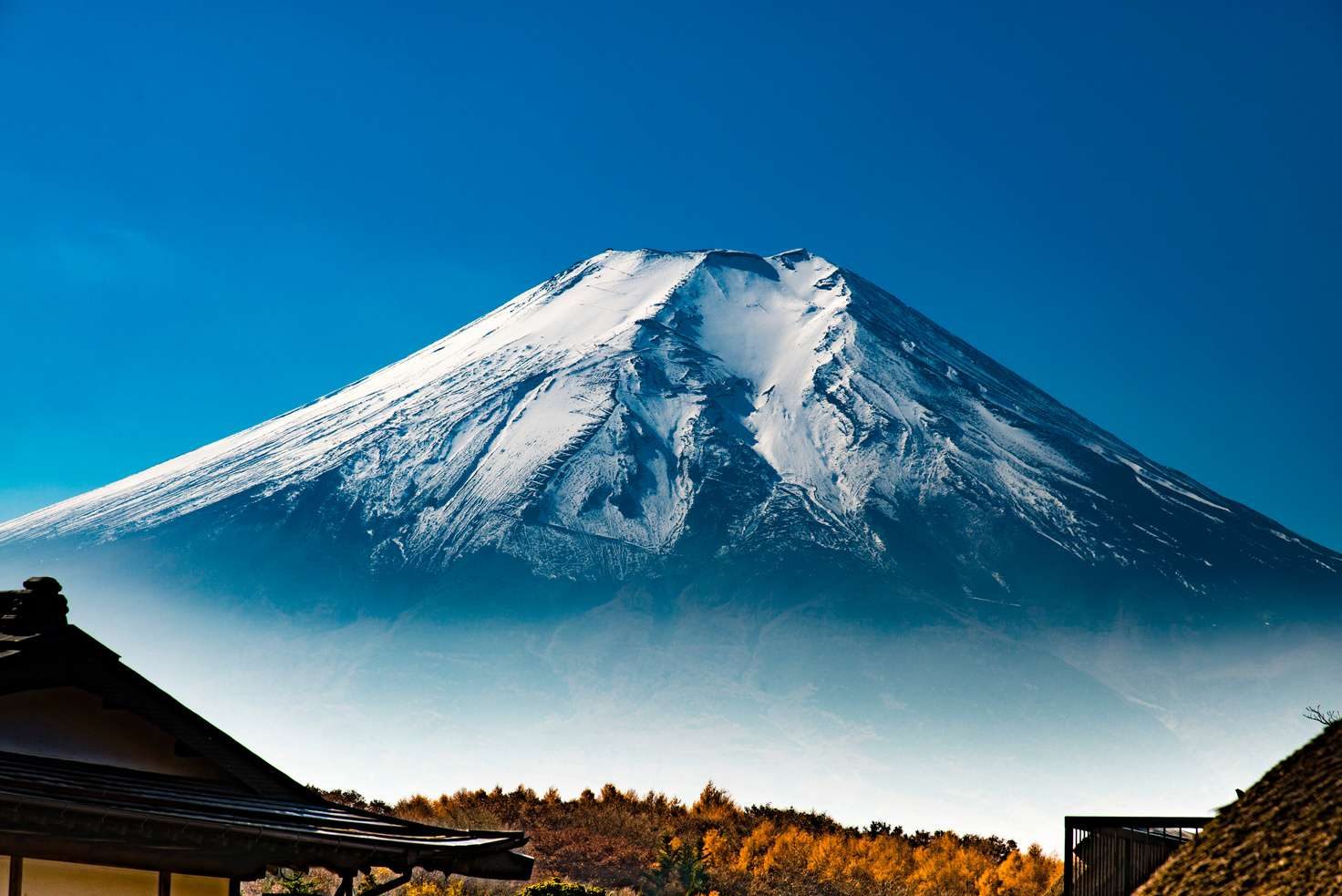
Japan is a long chain of islands. The north has cold winters with heavy snow and warm summers, while the Nanpo and Ryukyu Islands in the far south are subtropical, with warm winters and a big rainy season. In between, you'll find the central Chubu region, busy Kanto and the old castle towns that make up everyday Japan.

Language

Japanese is the national language, spoken by over 125 million people, and the Tokyo dialect is the standard. Regional accents differ, but people understand each other. Orientation covers the basics for markets, taxis and ordering a meal, and a little effort earns real respect.

Where our teachers live in Japan

  • ChubuThe central region around Nagoya, where you'll find big-city comforts, mountains and castle towns within reach.
  • KantoHome to Tokyo, this is Japan at its busiest and most varied, with endless neighborhoods and subcultures to explore.
  • TohokuA quieter northern part of the main island, where the countryside and old traditions are never far away.
  • HokkaidoJapan's far north, known for cold winters and heavy snowfall, so expect a real winter lifestyle.
  • KyushuThe southwestern island, with a warmer climate and a relaxed feel, and a long way from the big-city rush.
Where you’ll train: NagoyaJapan's fourth-largest city and a major port and industrial hub. Nagoya has a historic castle, temples, a TV Tower with city views, great bargain shopping and a food scene famous for miso dishes.

Everyday life in Japan

Old and new side by sideFuturistic technology and gaming sit next to quiet shrines, and the countryside still shows a glimpse of old Japan.
Etiquette mattersSocial rules are often unspoken, so orientation helps you with how to address people and what's expected in a Japanese classroom.
Smart work styleWorkplaces tend to be formal, and teachers are often expected to dress smartly and cover tattoos.
Anime, games and sportGaming, anime, manga, sumo and martial arts are everyday passions, which makes starting a conversation easy.

A little history

Japan's early history is a story of island communities slowly coming together. The imperial court settled in Kyoto in 794 and shaped classical arts, literature and Buddhism for centuries. From the late 12th century, warrior leaders called shoguns held real power while emperors remained symbolic figures. Samurai culture, the tea ceremony and Zen gardens all grew out of this long and fascinating era.

The Tokugawa shogunate ruled from 1603 and kept Japan largely closed to the outside world for more than two centuries. That changed in the 1850s, and the Meiji Restoration of 1868 launched rapid modernization. After World War II, Japan rebuilt itself into one of the world's leading economies, known for technology, craftsmanship and a pop culture that's now loved worldwide.

Weather and seasons

Japan stretches a long way from north to south, so the weather varies a lot. Most of the country has four distinct seasons: mild springs, a rainy early summer, hot and humid summers and crisp autumns. Winters are snowy in the north and along the Sea of Japan coast, but mild in the south.

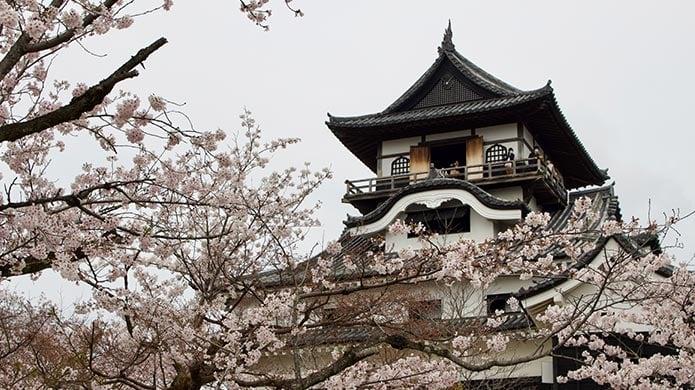
  • SpringMar-MayMild and bright, with cherry blossom season turning parks and riverbanks pink.
  • SummerJun-AugA rainy spell in June and July gives way to hot, humid weather and lively summer festivals.
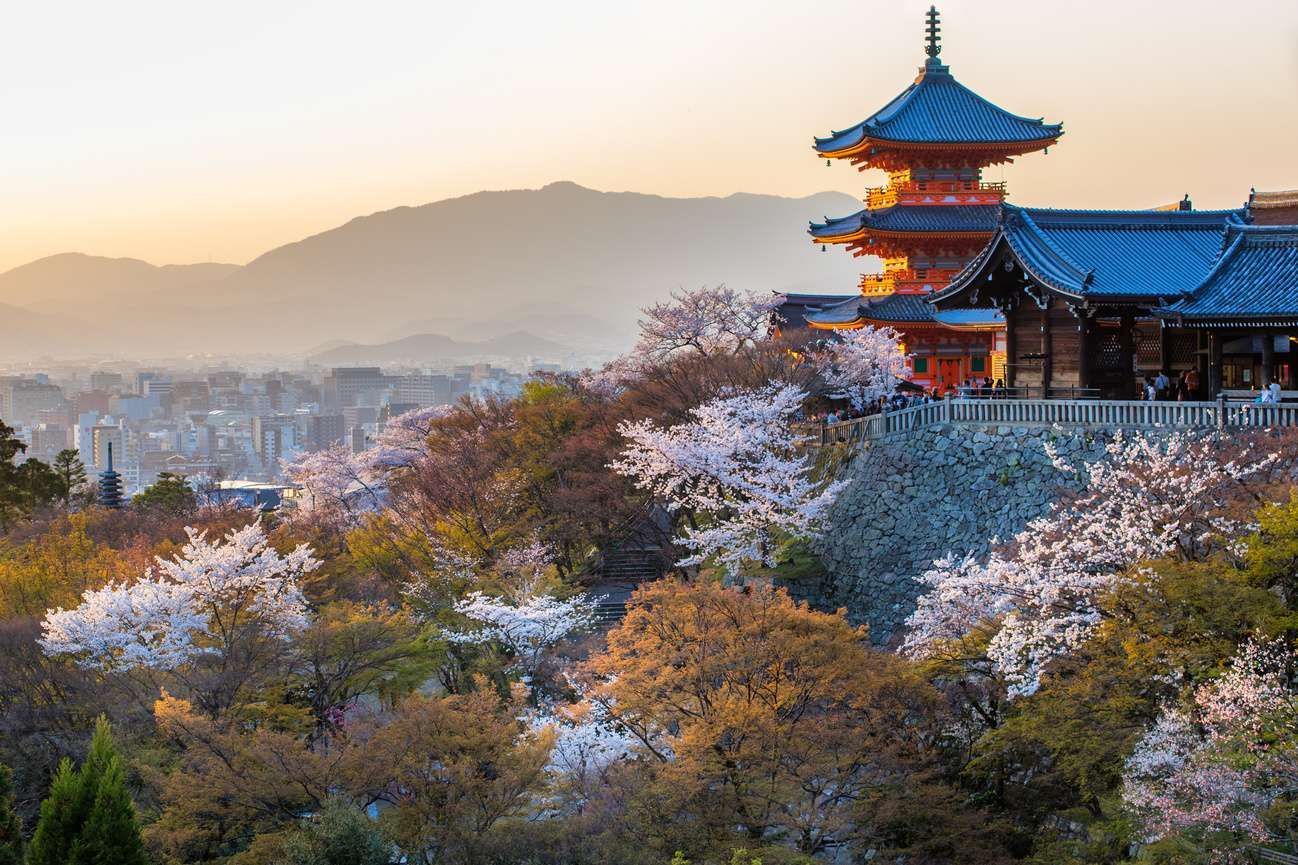
  • AutumnSep-NovComfortable temperatures and brilliant red and gold leaves, especially around Kyoto and in the mountains.
  • WinterDec-FebCold and dry in most cities, with deep snow and great skiing in the north.

Things to do on your weekends

  1. Visit Nagoya CastleSee the golden dolphin ornaments on this historic castle's roof, then explore the Tokugawa Art Museum's samurai treasures.
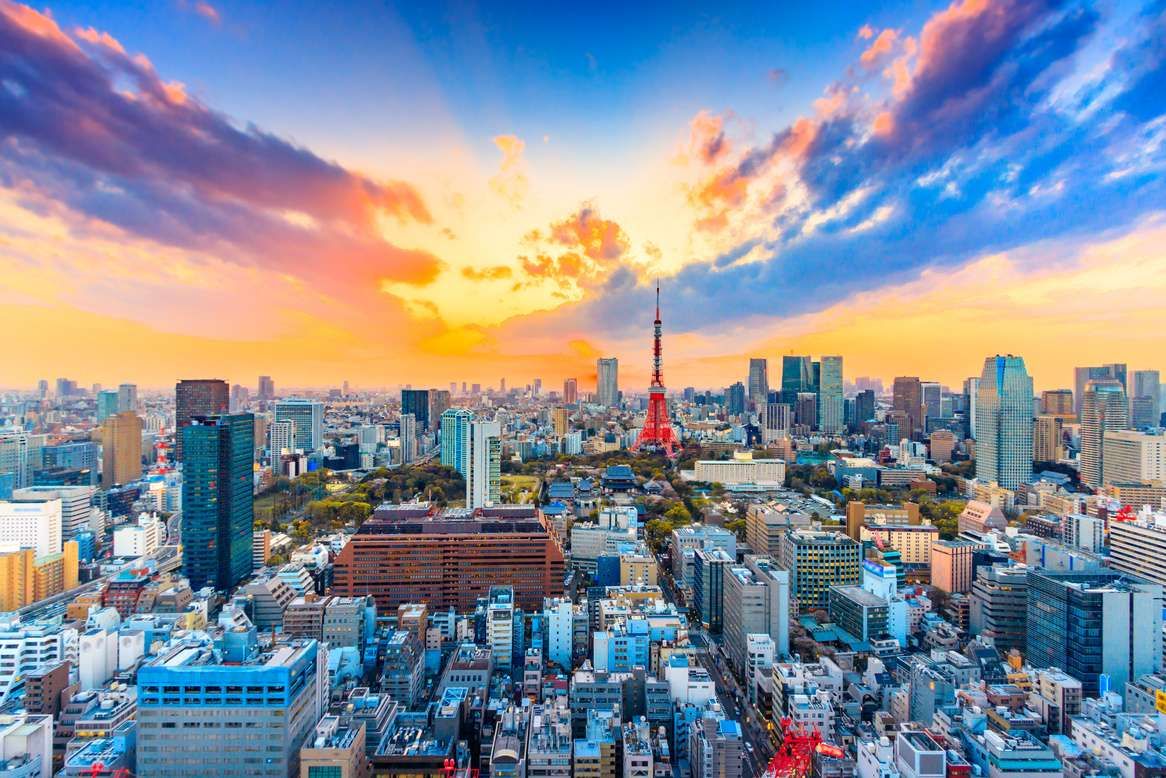
  2. Explore TokyoMove from quiet temples to buzzing neighborhoods like Shibuya and Asakusa in one of the world's biggest cities.
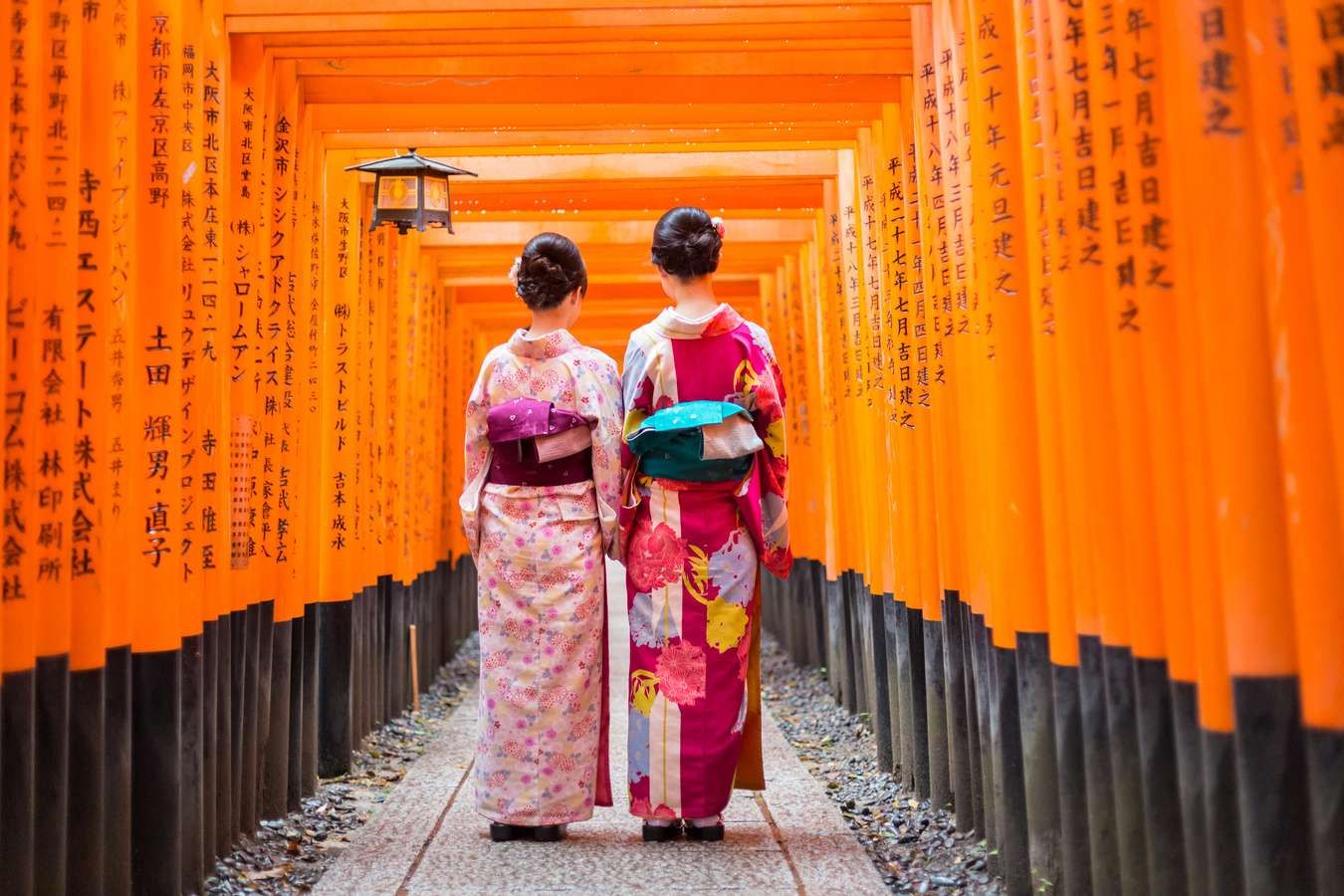
  3. Wander KyotoStroll through thousands of red torii gates at Fushimi Inari and visit centuries-old temples and tea houses.
  4. Ride a bullet trainHop on the Shinkansen between cities and see how easy it is to explore Japan on a weekend.
  5. Hit the slopesSki or snowboard in the northern mountains, where powder snow draws visitors from around the world.
  6. Take a cooking classLearn to make dishes like gyoza or okonomiyaki with a local cook, then take the skills home.

What to eat

RamenNoodles in rich broth, with regional styles from soy-based Tokyo to miso-based Hokkaido.
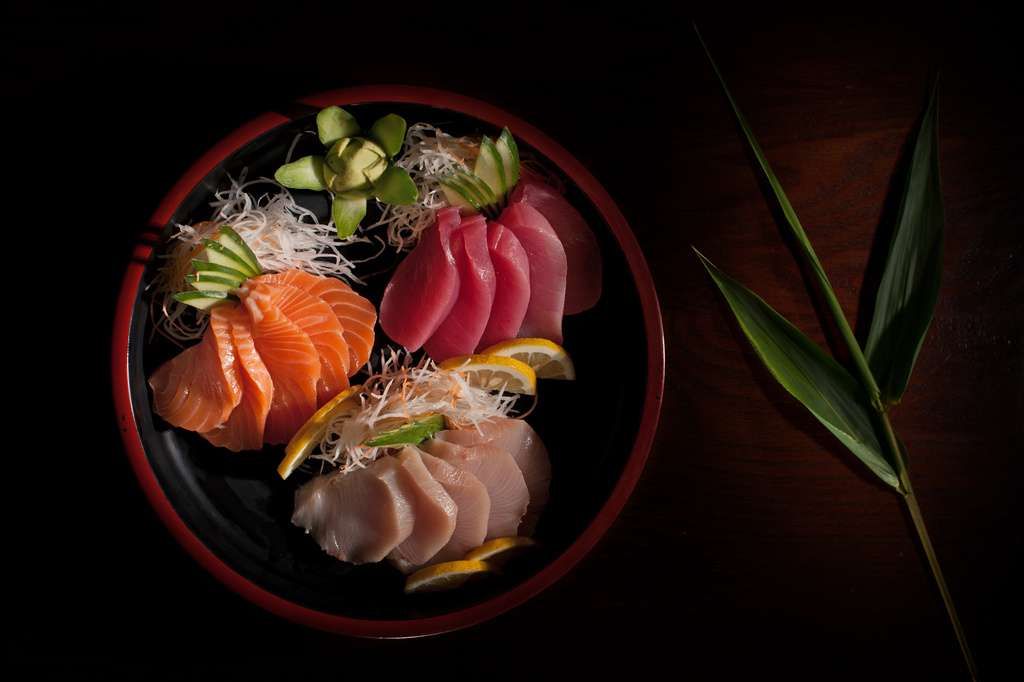
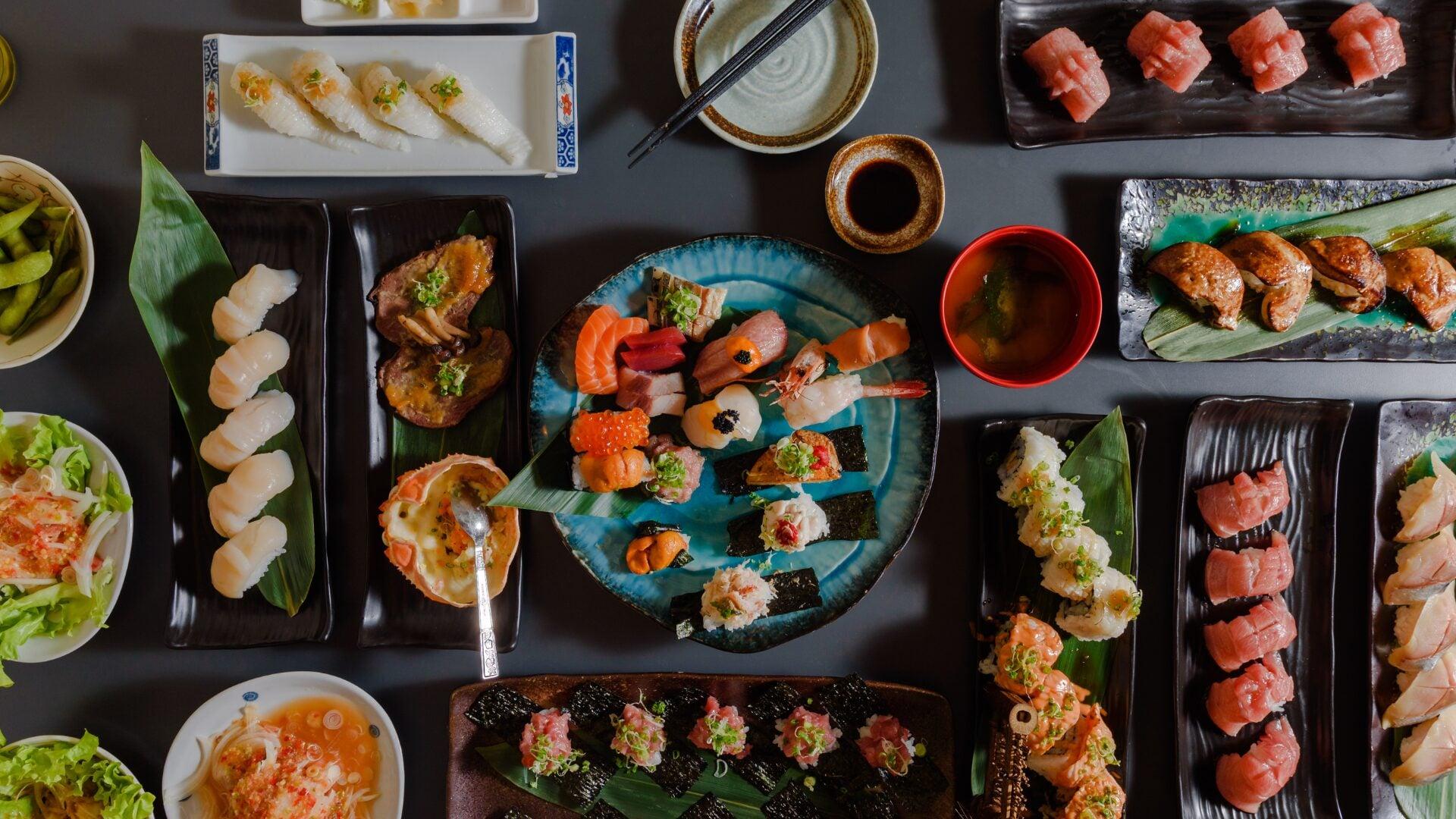
SushiFresh fish over vinegared rice, from fun conveyor-belt spots to tiny counters.
OkonomiyakiA savory cabbage pancake cooked on a griddle and topped with sauce, popular in Osaka.
YakitoriCharcoal-grilled chicken skewers, perfect with friends after a long day.

Good to know

  • Bow slightly when you greet people, since a handshake isn't expected and a small bow back goes a long way.
  • Take your shoes off when entering homes, and also many temples, schools and traditional restaurants.
  • Keep it quiet on public transport by putting your phone on silent and saving calls for later.
  • Skip the tip, because great service is standard and leaving money can cause confusion.

Your one-week cultural orientation covers the basics of language and etiquette when you arrive.

Picture yourself in Japan?

Start your application