Myanmar

Golden pagodas, misty lakes and a deeply rooted culture

Capital
Naypyidaw (Yangon is the largest city)
Language
Burmese
Currency
Myanmar kyat (MMK)
Time zone
GMT+6:30
Population
about 54 million

Why Myanmar?

Myanmar, also called Burma, is a land of golden pagodas, wide rivers and rolling plains framed by mountains. It's one of Southeast Asia's most culturally rich places, with a mix of ethnic groups, languages and traditions that you'll see in the markets, festivals and food. Buddhism shapes daily life, and monks in maroon robes are a common sight.

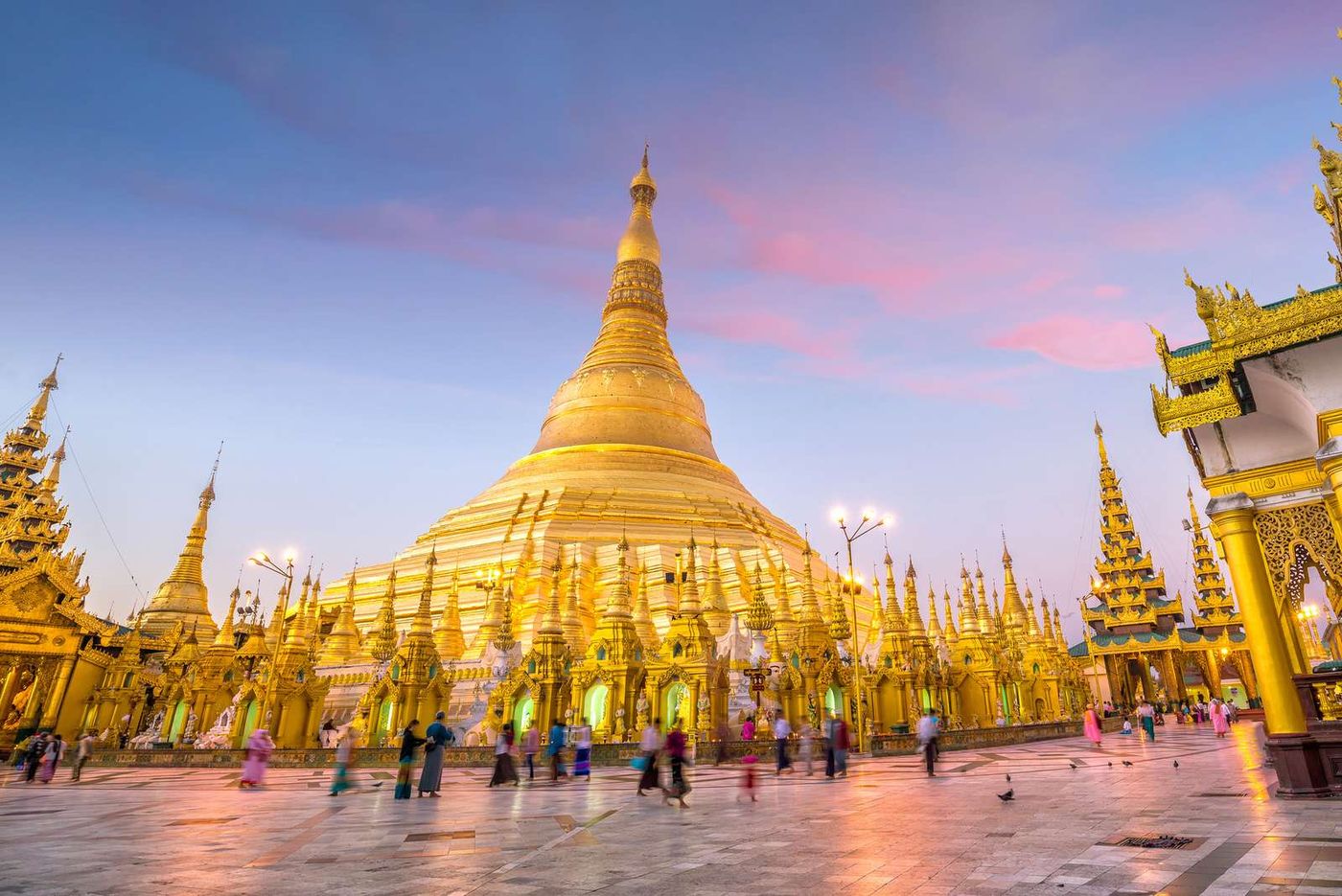
Yangon, the largest city, blends faded colonial buildings with busy street life and the glittering Shwedagon Pagoda. Beyond the city, places like Bagan, Inle Lake and Mandalay offer a window into centuries of history. People tend to be gentle, generous and curious about visitors.

Programs in Myanmar

1 programCompare these with other programs

  • Teach

    Teach English in Myanmar

    A meaningful role where teachers are truly valued. Gain strong classroom experience in one of Southeast Asia's least-traveled countries.

    Duration
    6 months or 1 year
    From
    $1,994
    Salary
    $600-1,000/mo
    Next start
    26 Apr 2027

The lay of the land

Myanmar has central plains that are vital for farming, mountains that are home to many ethnic communities, and coastal areas. The climate runs from tropical on the coast to temperate in the northern highlands. There's a hot season from March to April, monsoon from May to October and a cool, dry season from November to February.

Language

Burmese is the national language and a symbol of unity across many ethnic groups. Its script developed from the Mon script in the 12th century. English also has a long history here. Orientation includes about seven hours of Burmese lessons, so you'll get comfortable quickly.

Where our teachers live in Myanmar

  • YangonThe largest city and main travel hub, with the golden Shwedagon Pagoda and the most variety of any place to live.
  • MandalayA cultural heart of the country with monasteries, crafts and a strong local feel.
  • MonywaA town in the central plains, a good choice if you want everyday local life.
  • TachileikA border town beside Thailand, giving you a lively trading atmosphere.
  • Pyin Oo LwinA cooler hill town near Mandalay, perfect if you prefer fresher air and greenery.
Where you’ll train: YangonYour course is held near the Shwedagon Pagoda in Yangon, Myanmar's main air, rail and road hub. It's an emerging city with an ancient background and a fresh, modern feel.

Everyday life in Myanmar

Relaxed but hard-workingPeople work hard yet keep a relaxed rhythm, and busy markets full of vendors are part of daily life in both cities and villages.
TeashopsLocals love to unwind and chat in teashops, which is a great way to meet people.
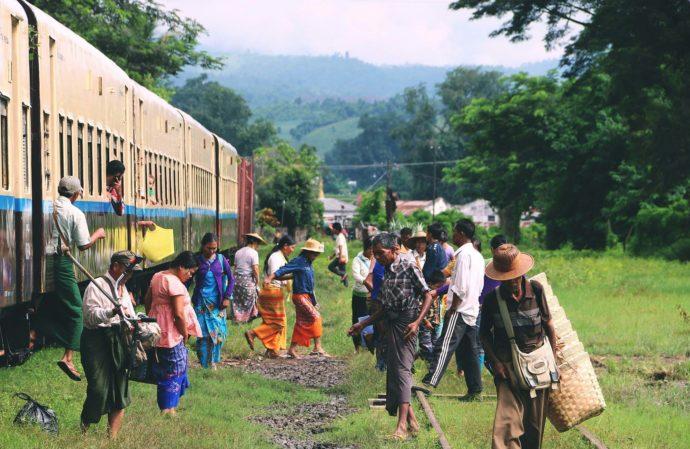
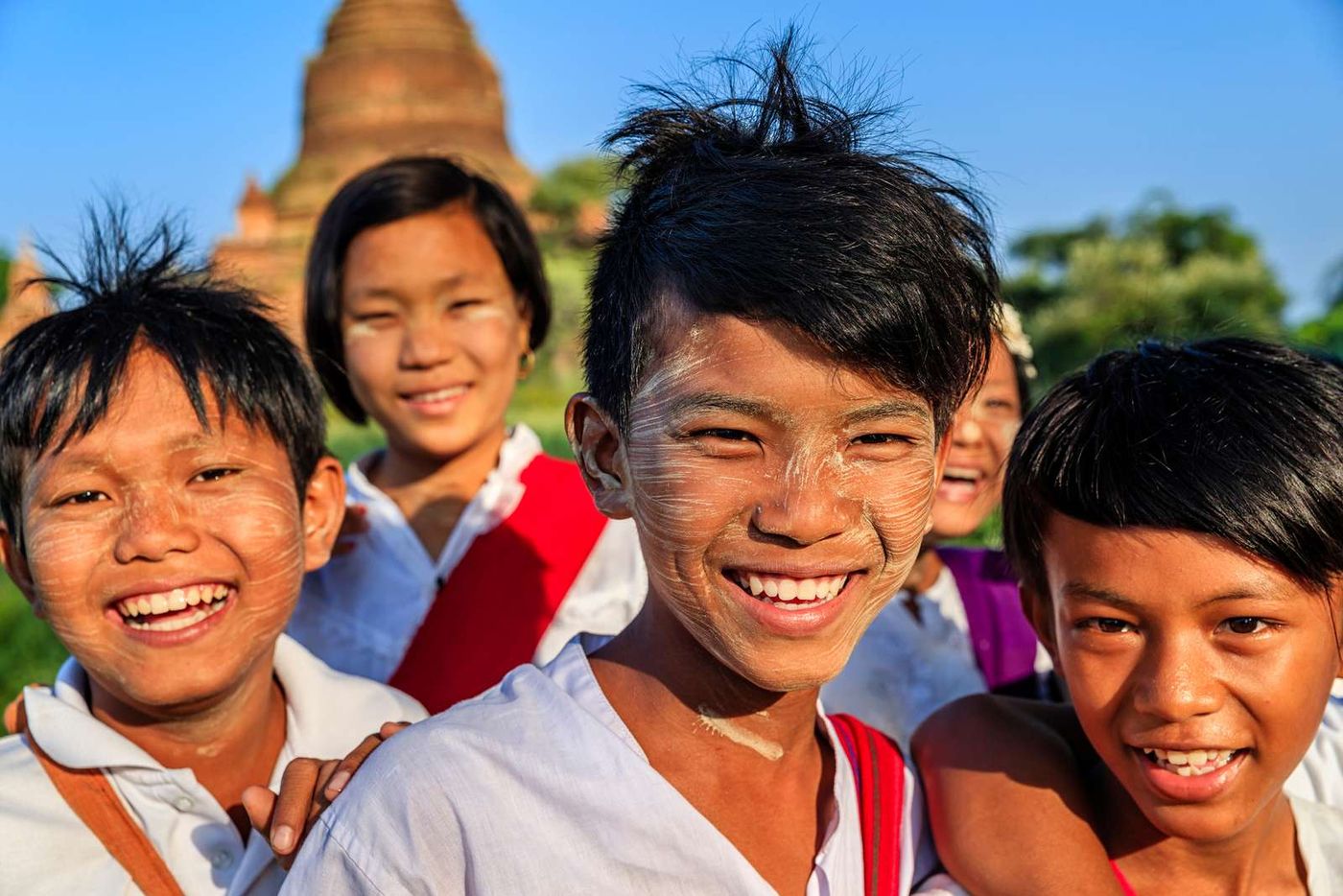
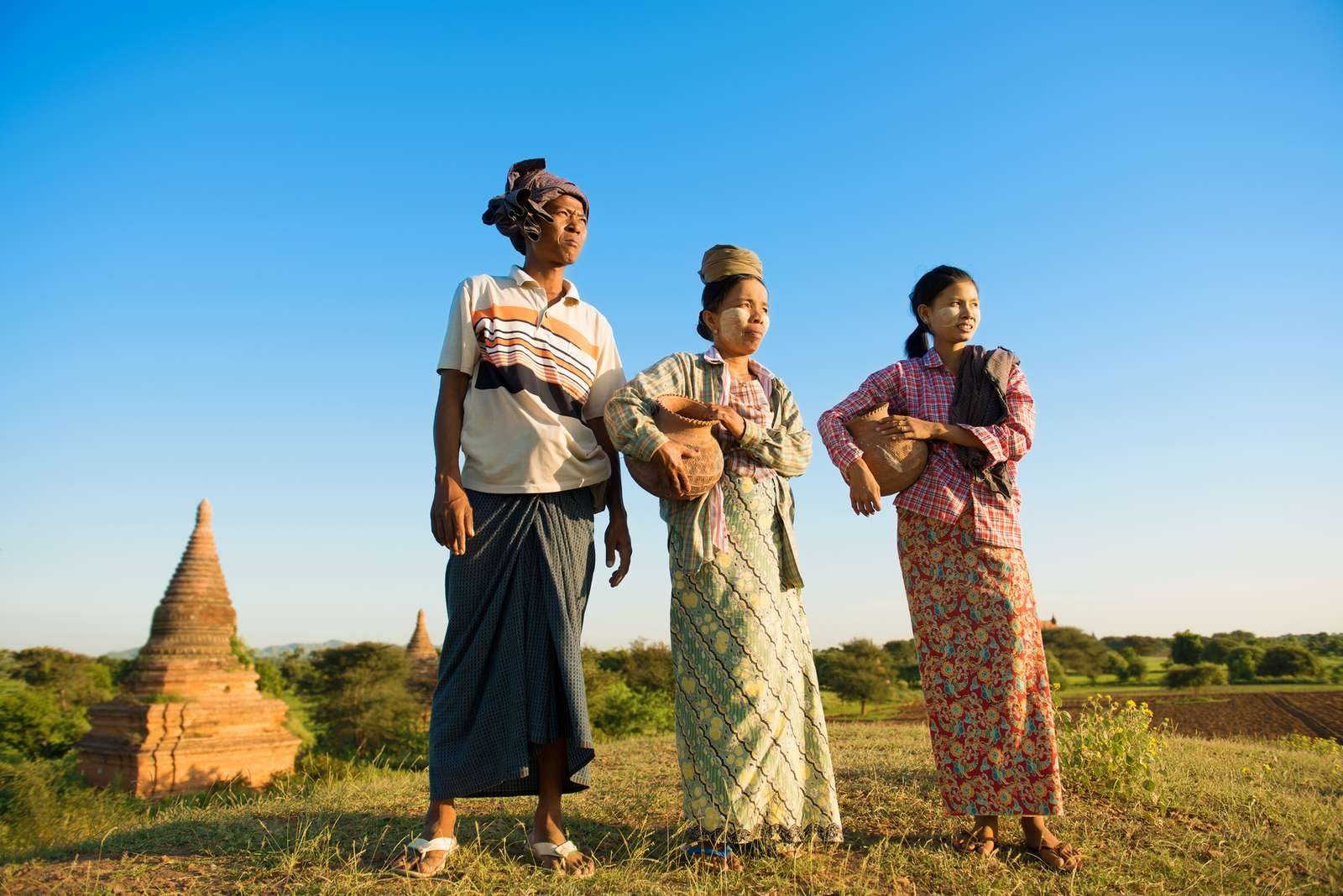
Traditional dressMany people wear a longyi, a long cloth skirt, and thanaka, a pale paste worn on the cheeks, as a sunscreen and a bit of style.
Games and sportsTraditional games like takraw, plus volleyball and football, are popular, and you can try Lethwei boxing during orientation.

A little history

Myanmar's history stretches back thousands of years. The Pyu people built city-states in the central plains roughly two thousand years ago, and the Mon and Bamar later settled the region. The Pagan Empire, which flourished from the 9th to the 13th centuries, left behind thousands of Buddhist temples and stupas. Mongol invasions weakened it in the 13th century, and the Toungoo Dynasty rose in the 16th century.

Britain colonized Burma in stages during the 19th century, making it a province of British India, and the country saw heavy fighting in World War II. Independence came in 1948. Since then, Myanmar has faced political instability, ethnic conflict and periods of military rule, including the military takeover of February 2021. Through it all, the country's culture, faith and community ties have stayed strong.

Weather and seasons

Myanmar has a tropical monsoon climate with three seasons: cool and dry, hot, and wet. Coastal areas are humid and tropical, the central plains turn very hot in the middle of the year, and the northern highlands are much cooler. Pack light layers for chilly cool-season mornings, especially around Inle Lake and the hills.

  • Cool seasonNov-FebSunny, dry and comfortable by day, with chilly mornings and nights in the highlands.
  • Hot seasonMar-AprVery hot, especially around Bagan and Mandalay, until the Thingyan water festival in mid-April brings some relief.
  • Monsoon seasonMay-OctHeavy rain, particularly along the coast and in Yangon, while the central plains stay far drier.

Things to do on your weekends

  1. Visit Shwedagon PagodaSee the gold-covered stupa in Yangon glow at sunset at the country's most sacred Buddhist site.
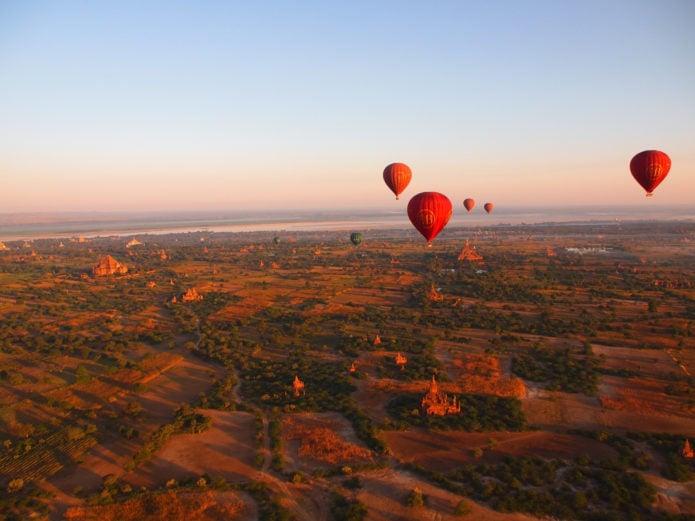
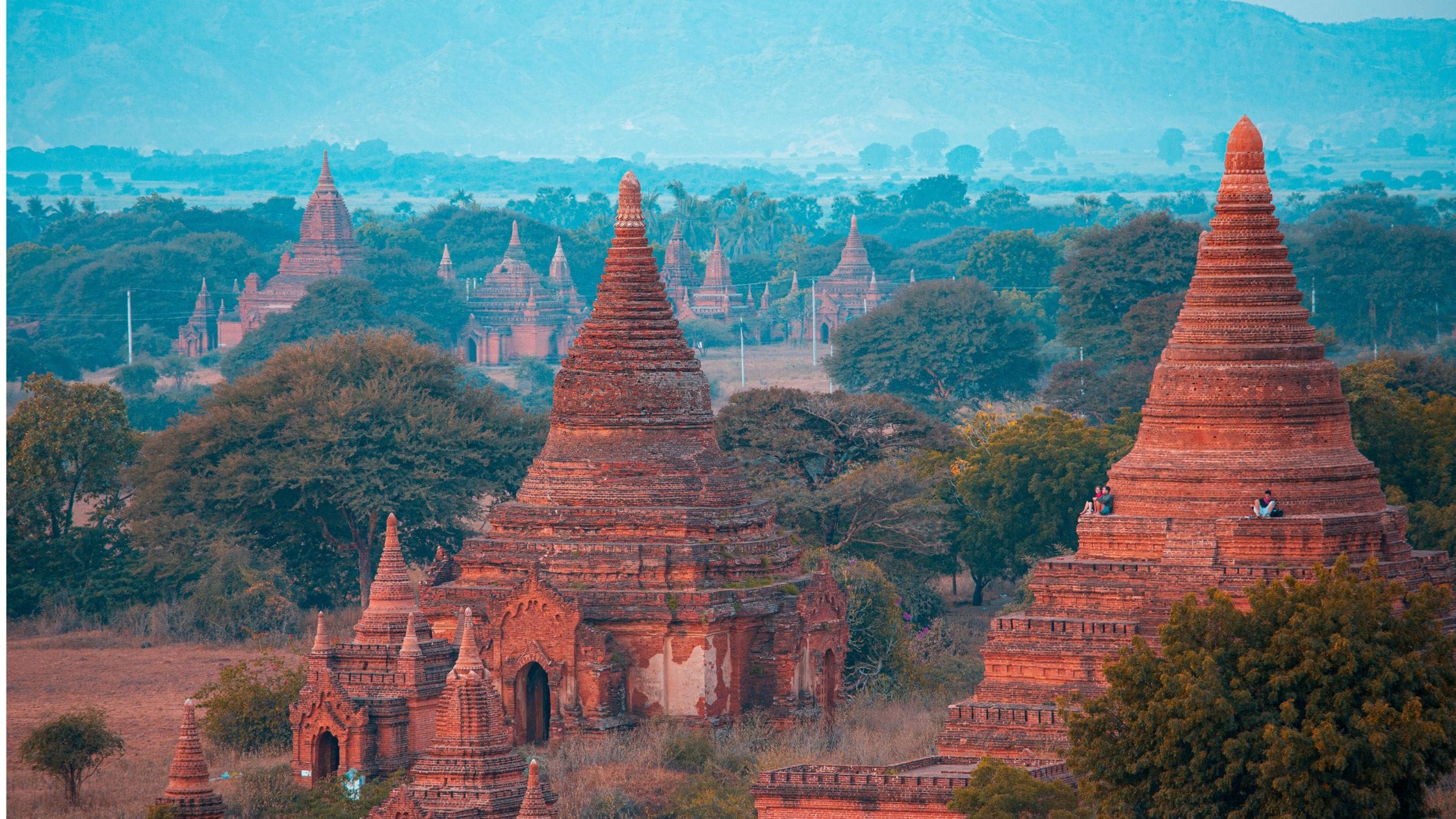
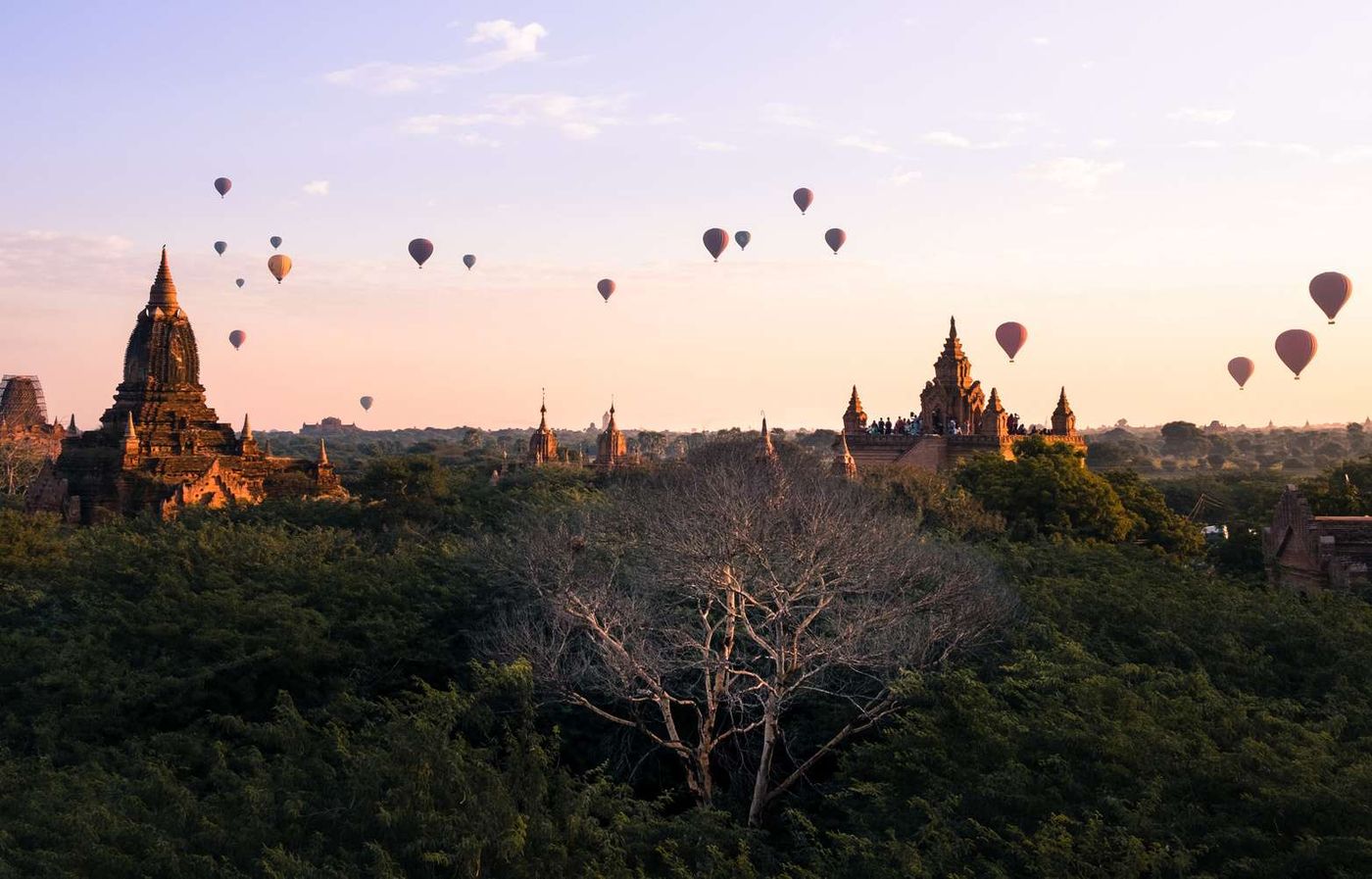
  2. Explore BaganWatch the sun rise over thousands of ancient temples and pagodas scattered across the plain.
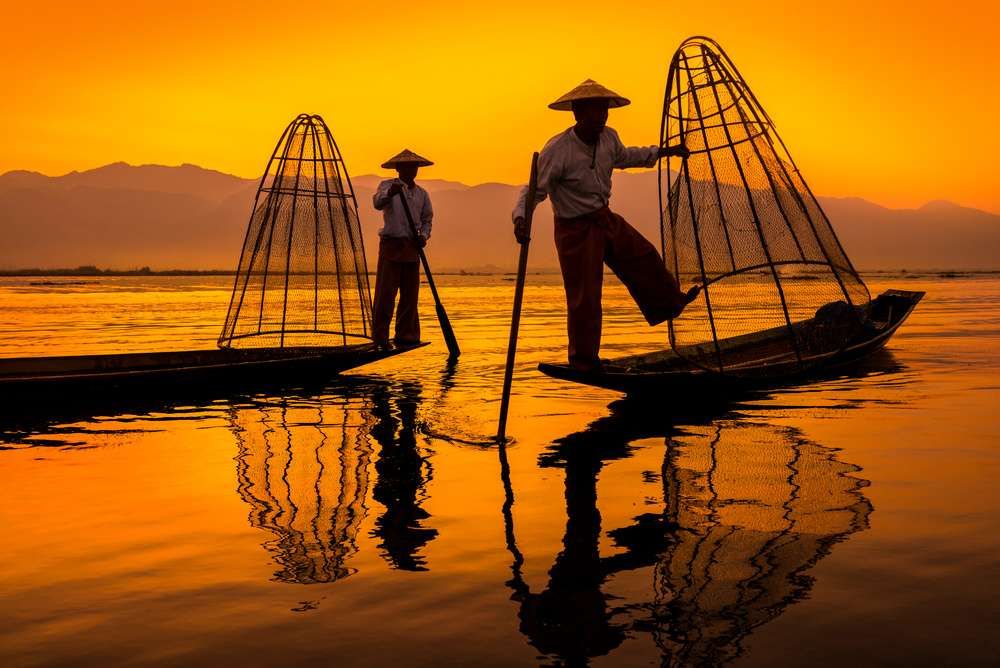
  3. Cruise Inle LakeGlide past floating gardens, stilt villages and fishermen who famously row with one leg on this high mountain lake.
  4. Discover MandalayClimb Mandalay Hill, visit golden monasteries and see traditional crafts in the last royal capital.
  5. Relax at Ngapali BeachUnwind on a quiet stretch of white sand and enjoy fresh seafood on the Bay of Bengal.
  6. Try LethweiLearn the basics of Myanmar's traditional boxing with a local trainer and see the sport's cultural roots.

What to eat

MohingaA fish and rice noodle soup, often eaten for breakfast and widely seen as the national dish.
Laphet thokeA tangy fermented tea leaf salad with crunchy beans, nuts and garlic.
Shan noodlesRice noodles with a light tomato and chicken or pork sauce, served with pickles.
Ohn no khao sweA rich, comforting coconut chicken noodle soup topped with egg and crispy fritters.

Good to know

  • Remove your shoes and socks before entering pagodas and monasteries, and cover your shoulders and knees.
  • Don't point your feet at people or Buddha images, and avoid touching anyone's head.
  • Use your right hand, or both hands, when giving and receiving as a sign of respect.
  • Address older people with U (for men) or Daw (for women) before their name, a small gesture that shows respect.

Your one-week cultural orientation covers the basics of language and etiquette when you arrive.

Picture yourself in Myanmar?

Start your application